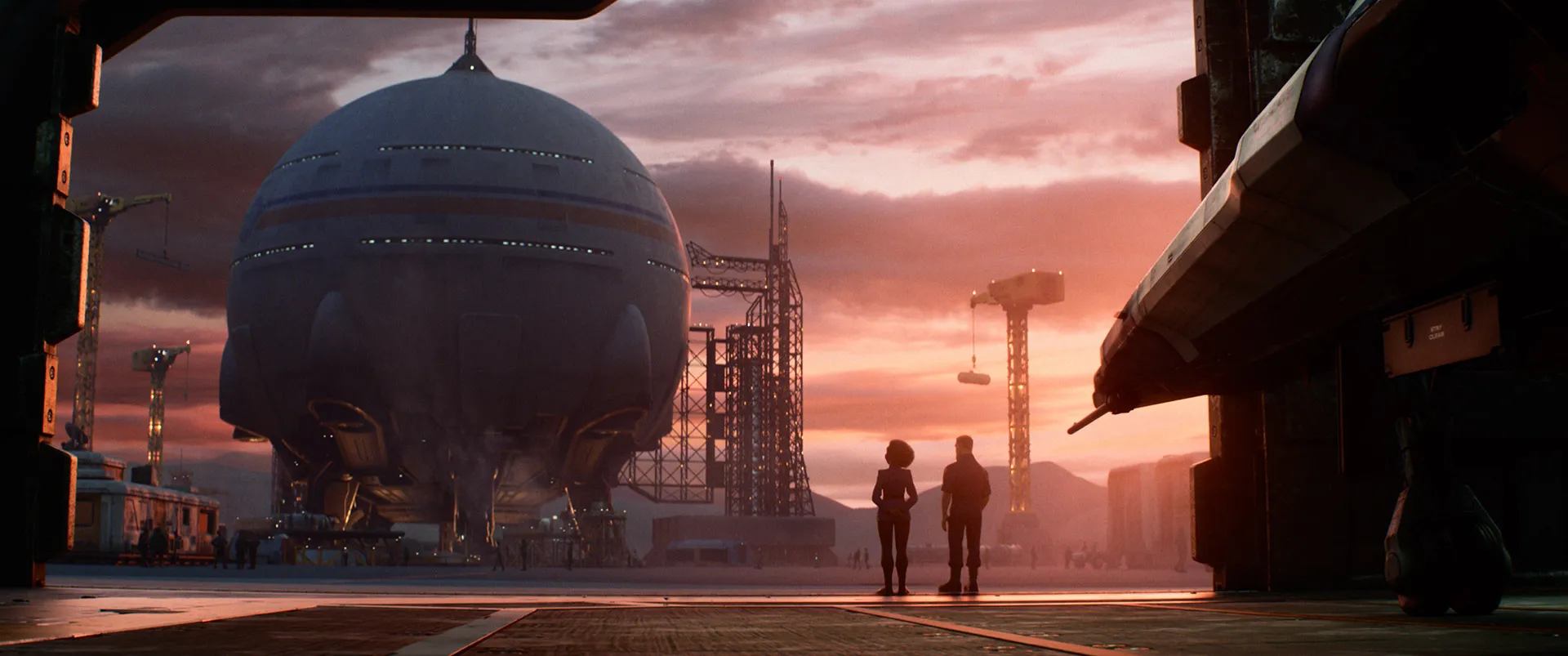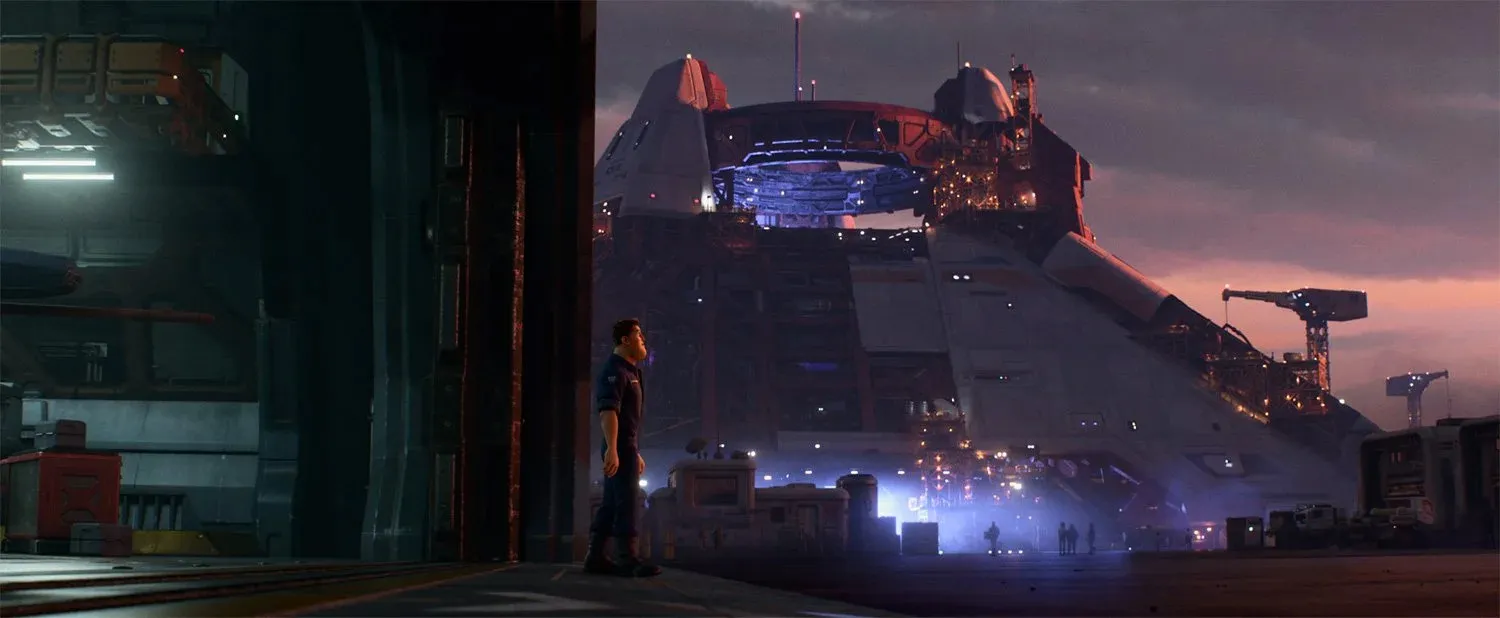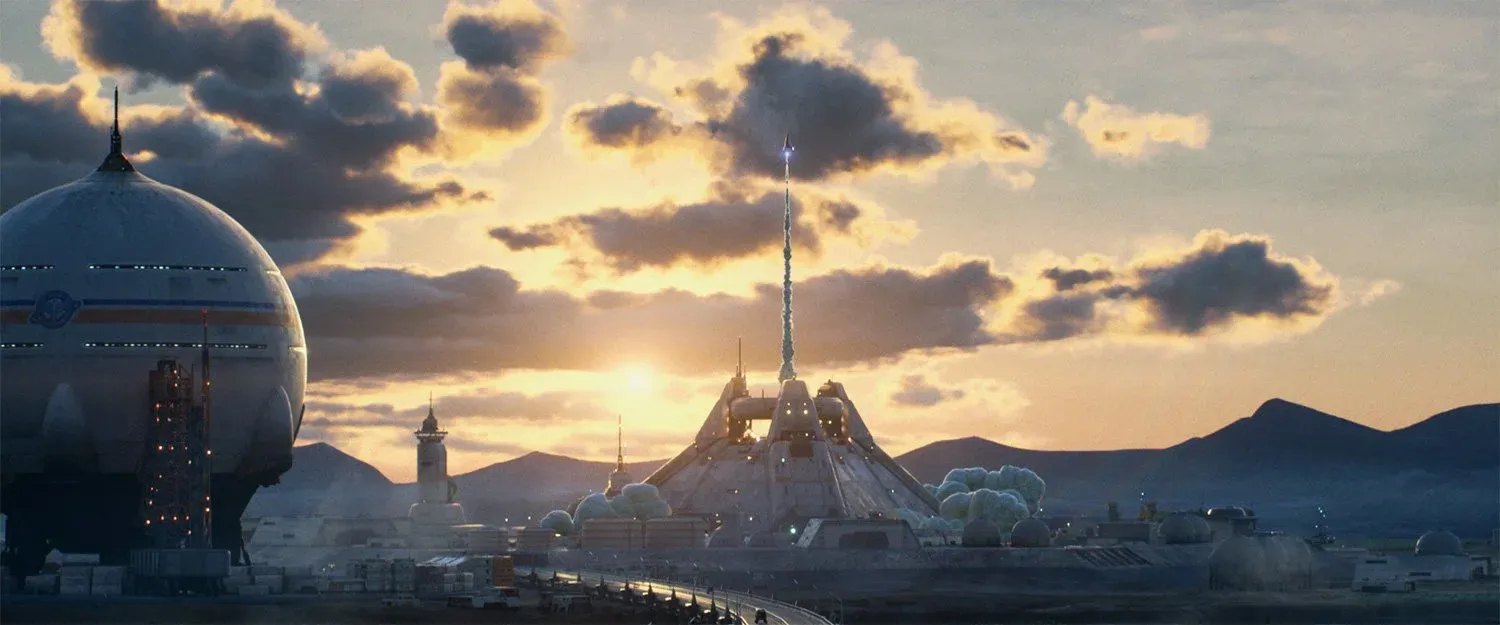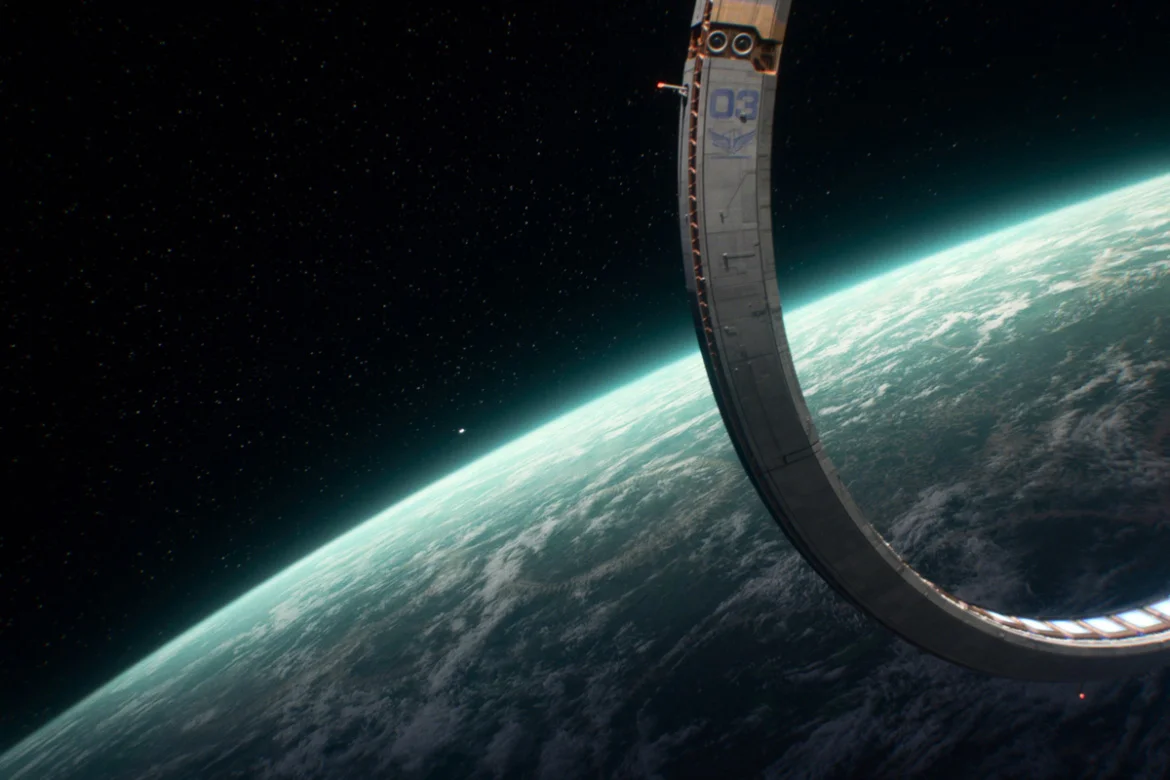
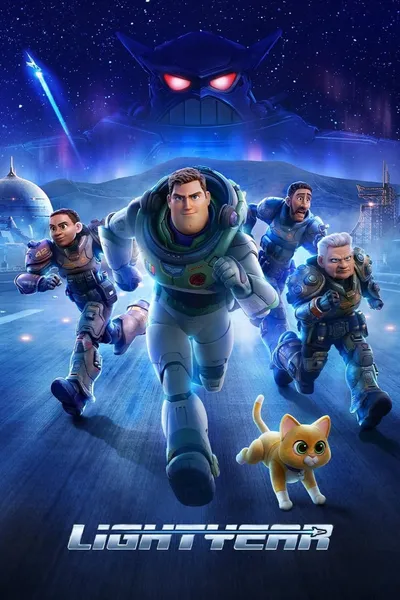
“Lightyear” follows the legendary Space Ranger after he’s marooned on a hostile planet 4.2 million light-years from Earth alongside his commander and their crew. As Buzz tries to find a way back home through space and time, he’s joined by a group of ambitious recruits and his charming robot companion cat, Sox. Complicating matters and threatening the mission is the arrival of Zurg, an imposing presence with an army of ruthless robots and a mysterious agenda.
For a completely alien world like T’Kani Prime in Lightyear, the team needed a modelling tool that could generate vast amounts of intricate detail while still allowing full artistic control. Using Houdini, artists were able to build complex, large-scale environments that felt otherworldly, yet could be stylized and shaped to match the film’s visual language. This allowed the planet to be both richly detailed and highly cohesive with the overall aesthetic.Early tests with Houdini heightfields were successful, and they created several pipeline features to enable their use on Lightyear.
Animators use Houdini heightfield tools to generate crater displacement and erosion maps. The network was packaged into a Houdini Digital Asset so they can easily set up a new shot and tweak a few parameters. The variants are added to the model with Houdini’s Solaris. The terrain shader is created and applied in the proprietary shading software, Flow, where they add additional details, including small craters and small lakes.