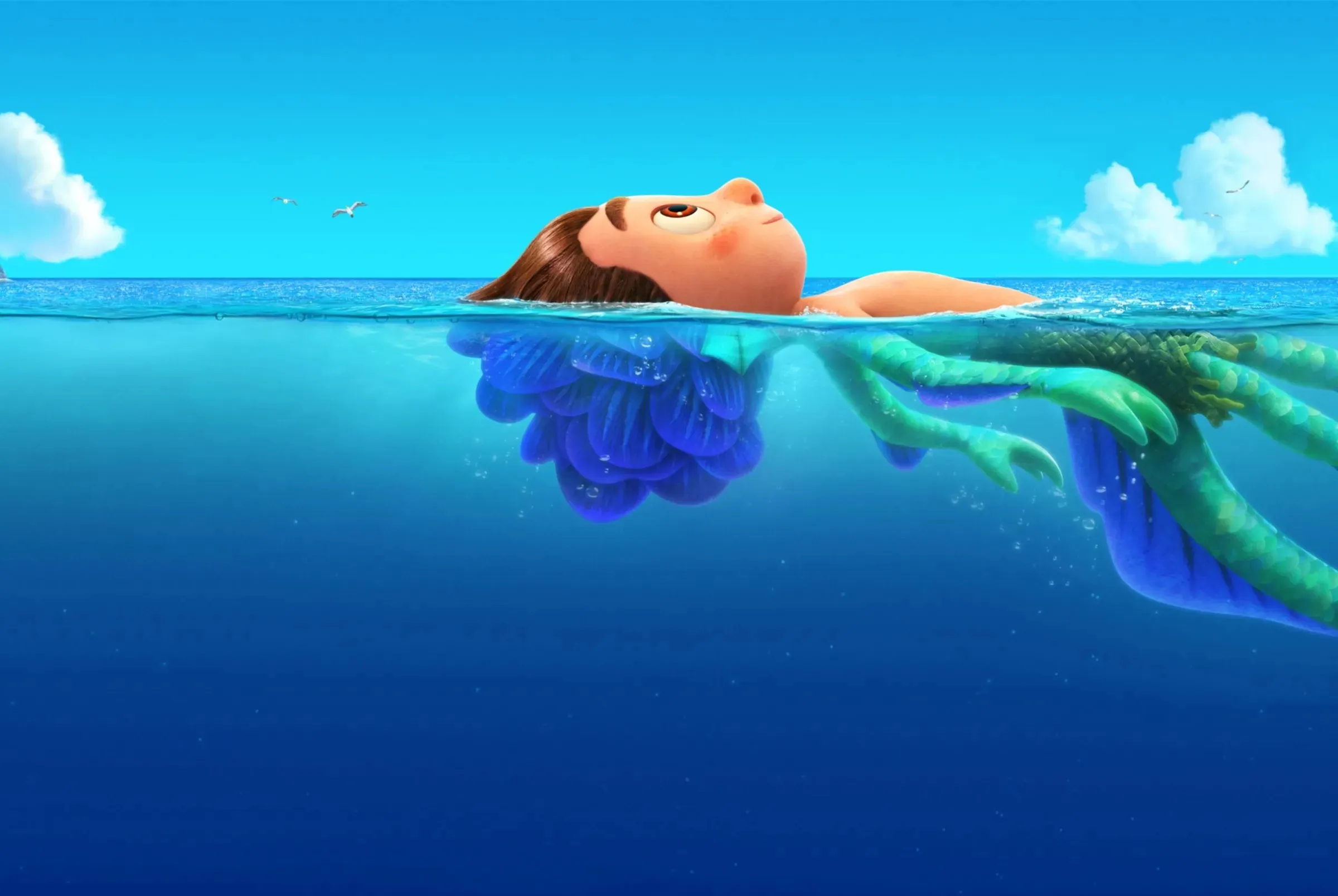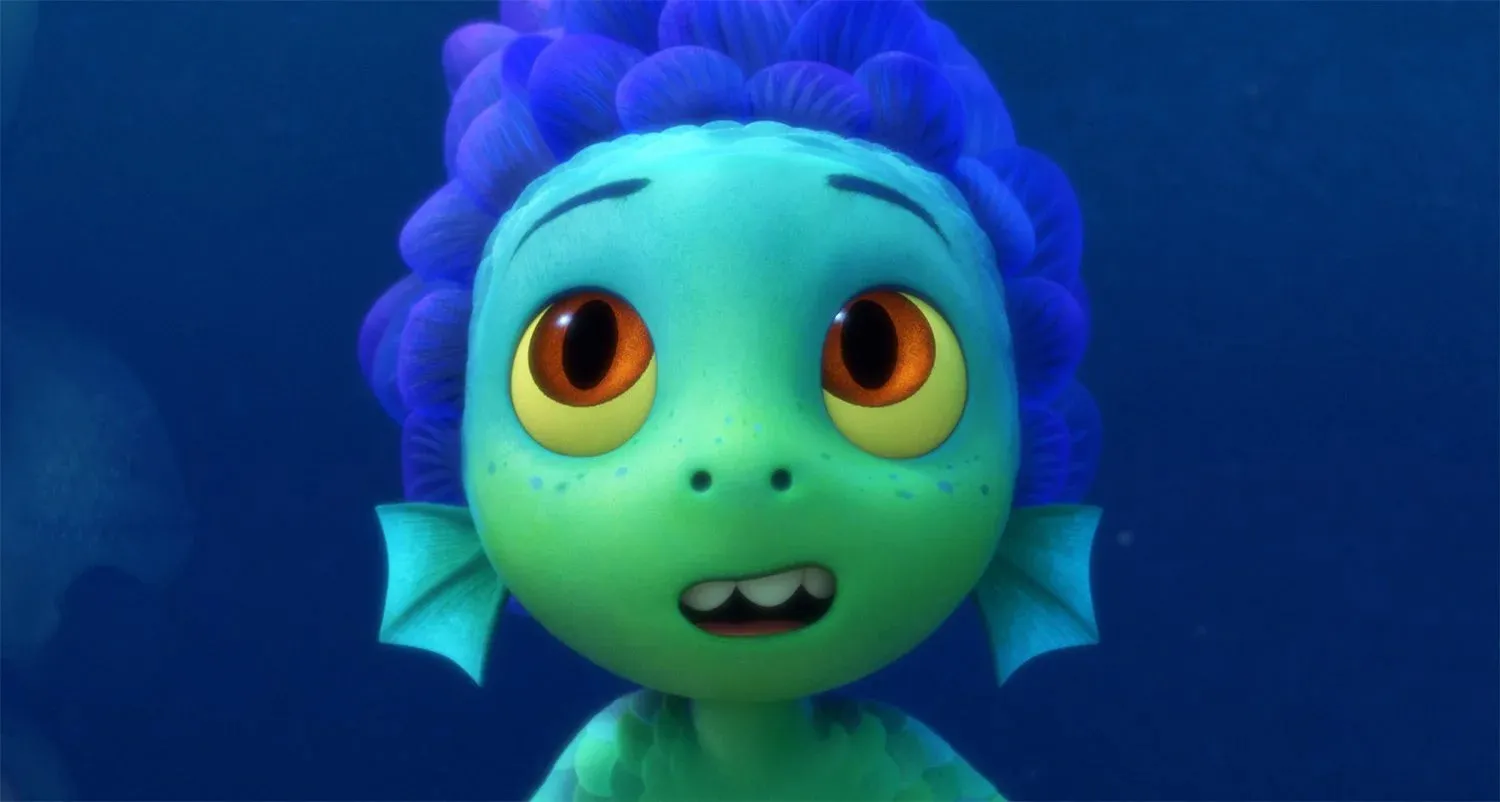

Disney and Pixar’s original feature film “Luca” is a coming-of-age story about one young boy experiencing an unforgettable summer filled with gelato, pasta and endless scooter rides. Luca shares these adventures with his newfound best friend, but all the fun is threatened by a deeply-held secret: they are sea monsters from another world just below the water’s surface.
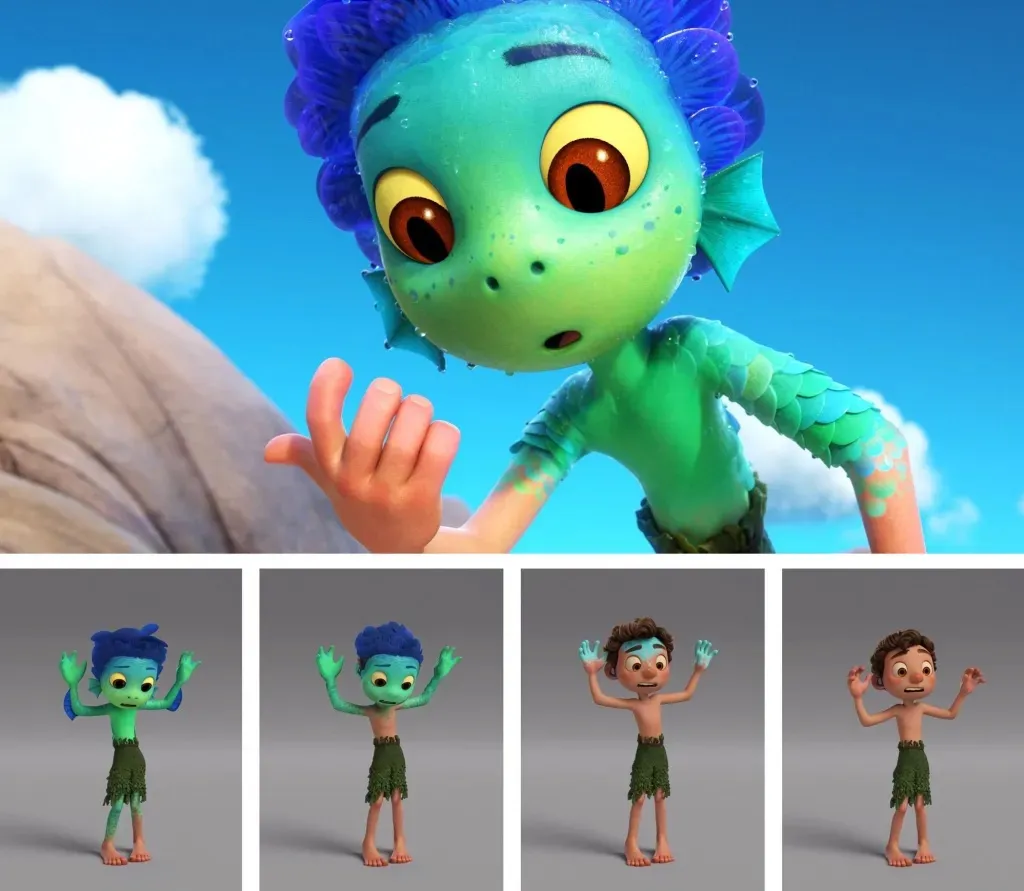
In Luca, Luca undergoes a transformation from sea monster to human, requiring a highly flexible animation setup. Pixar developed a Transformation Rig to manage this complex change, allowing animators to seamlessly shift his shape while maintaining consistent anatomy and proportions. The rig enabled precise control over both large-scale transformations and subtle intermediate poses, ensuring that the metamorphosis felt fluid, believable, and expressive throughout the film.
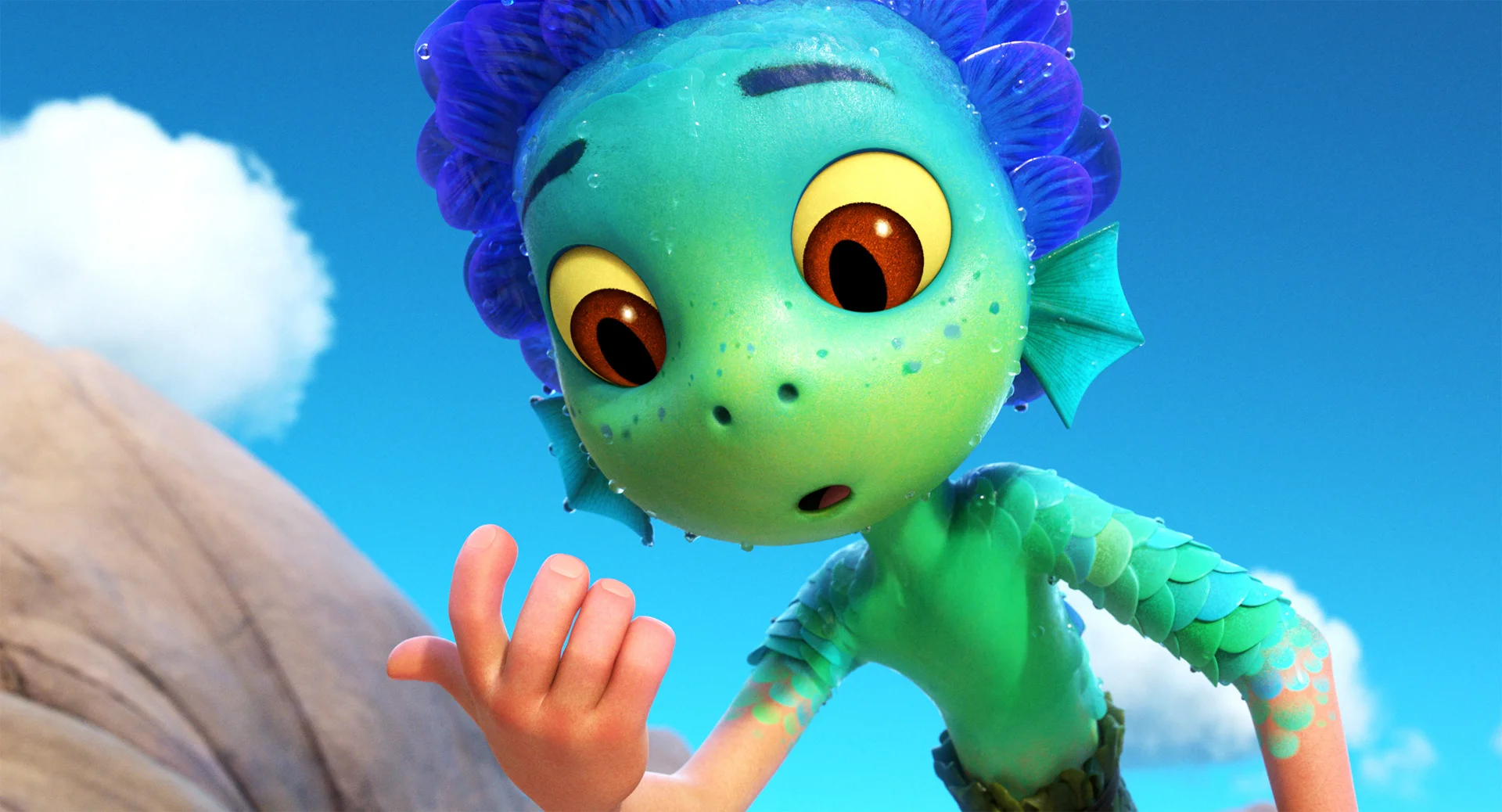
With the transformation rig animators could fine-tune the different aspects of the change one by one and see the result right there in front of them. That way, they could perfectly time the transition from the layers of changes in the human skin to the flipping scales and octopus spots in the sea-monster skin. This was a new way to streamline the whole production process and put more artistic control in the hands of animators.