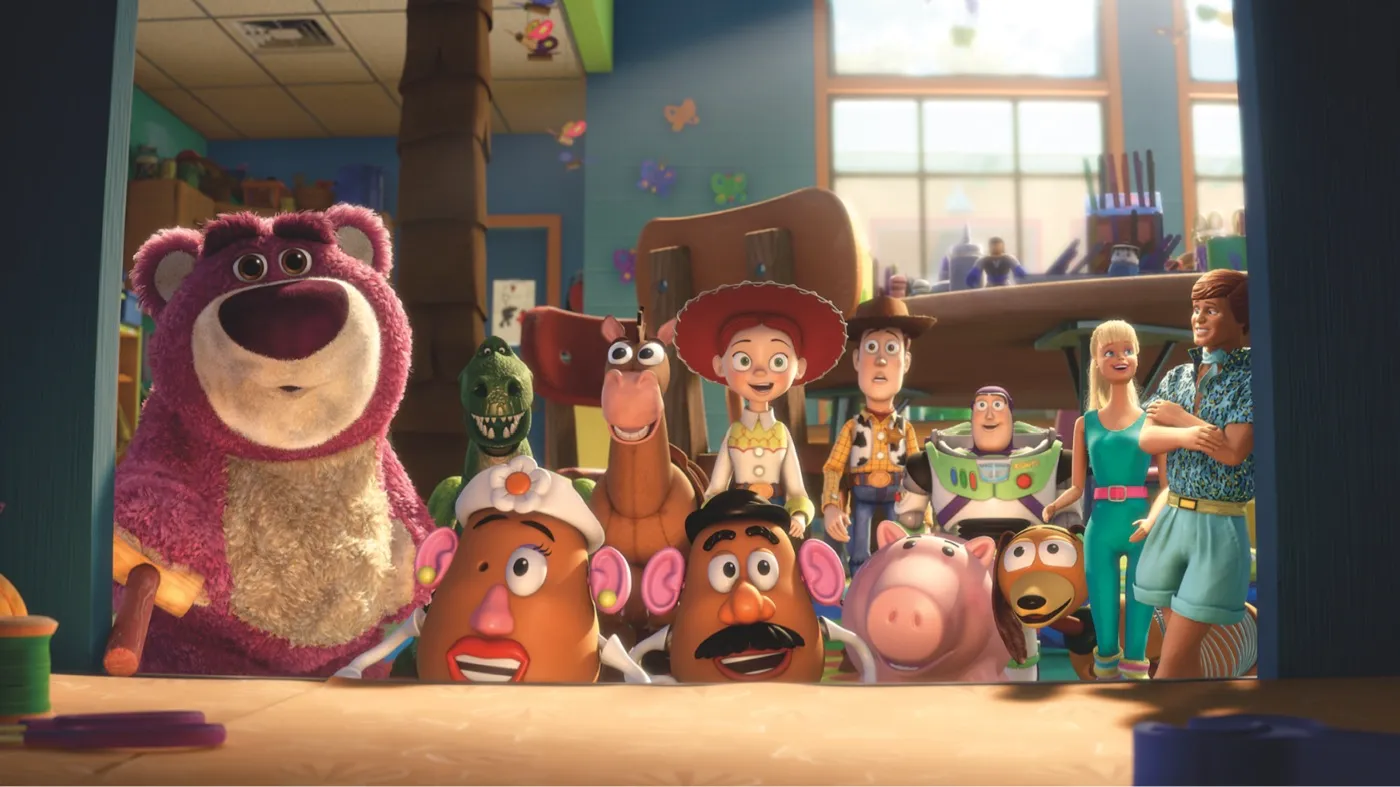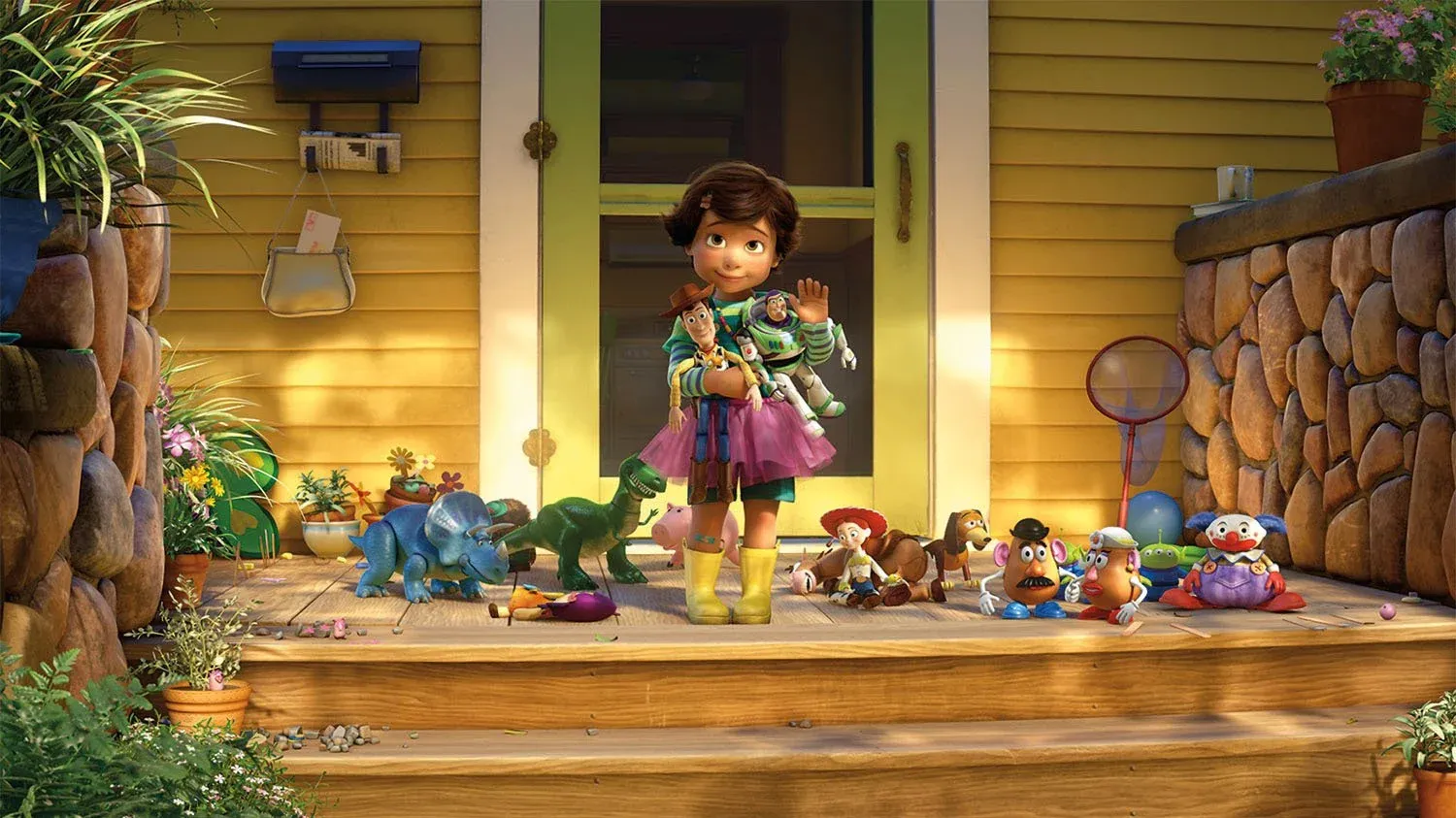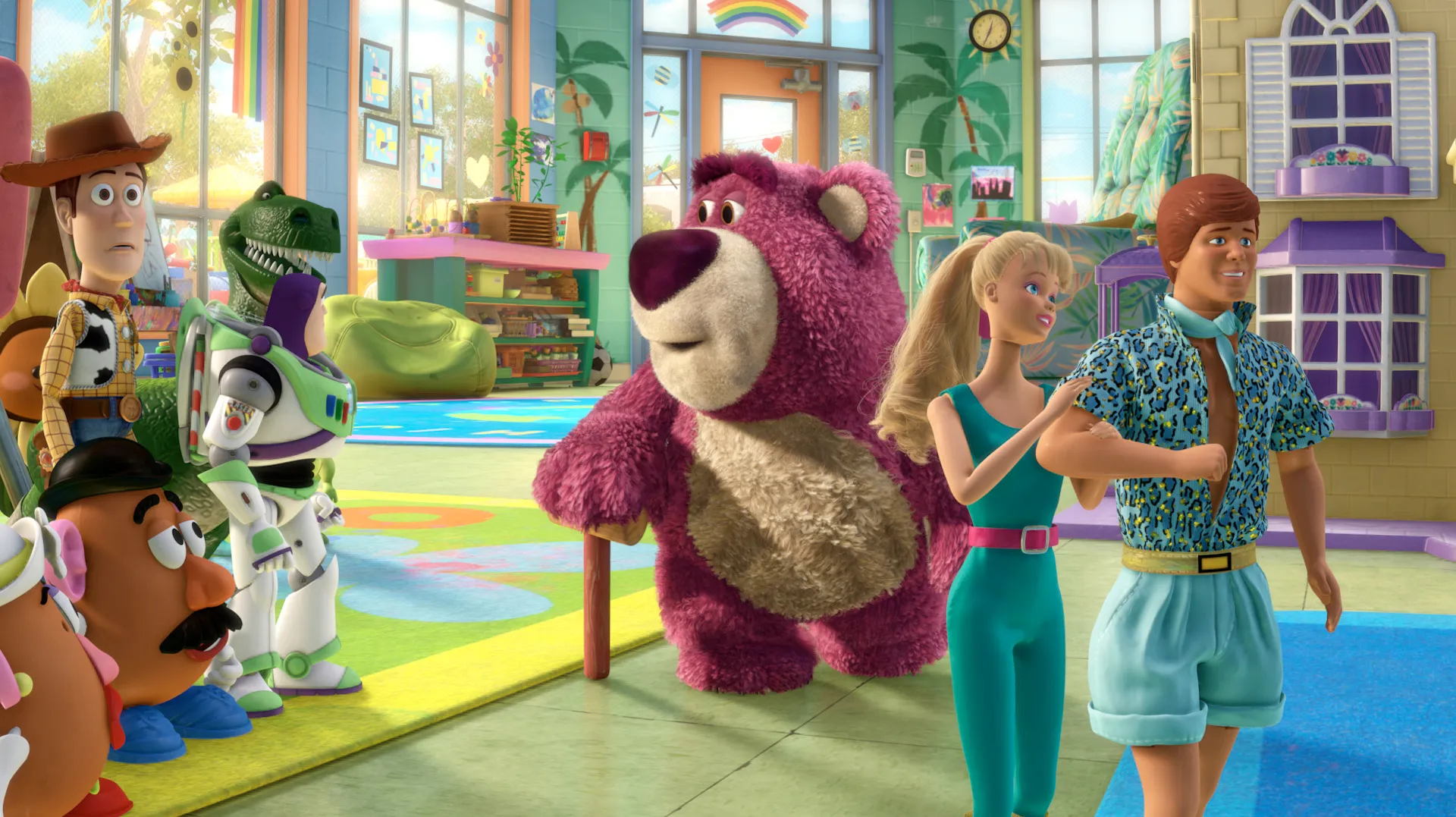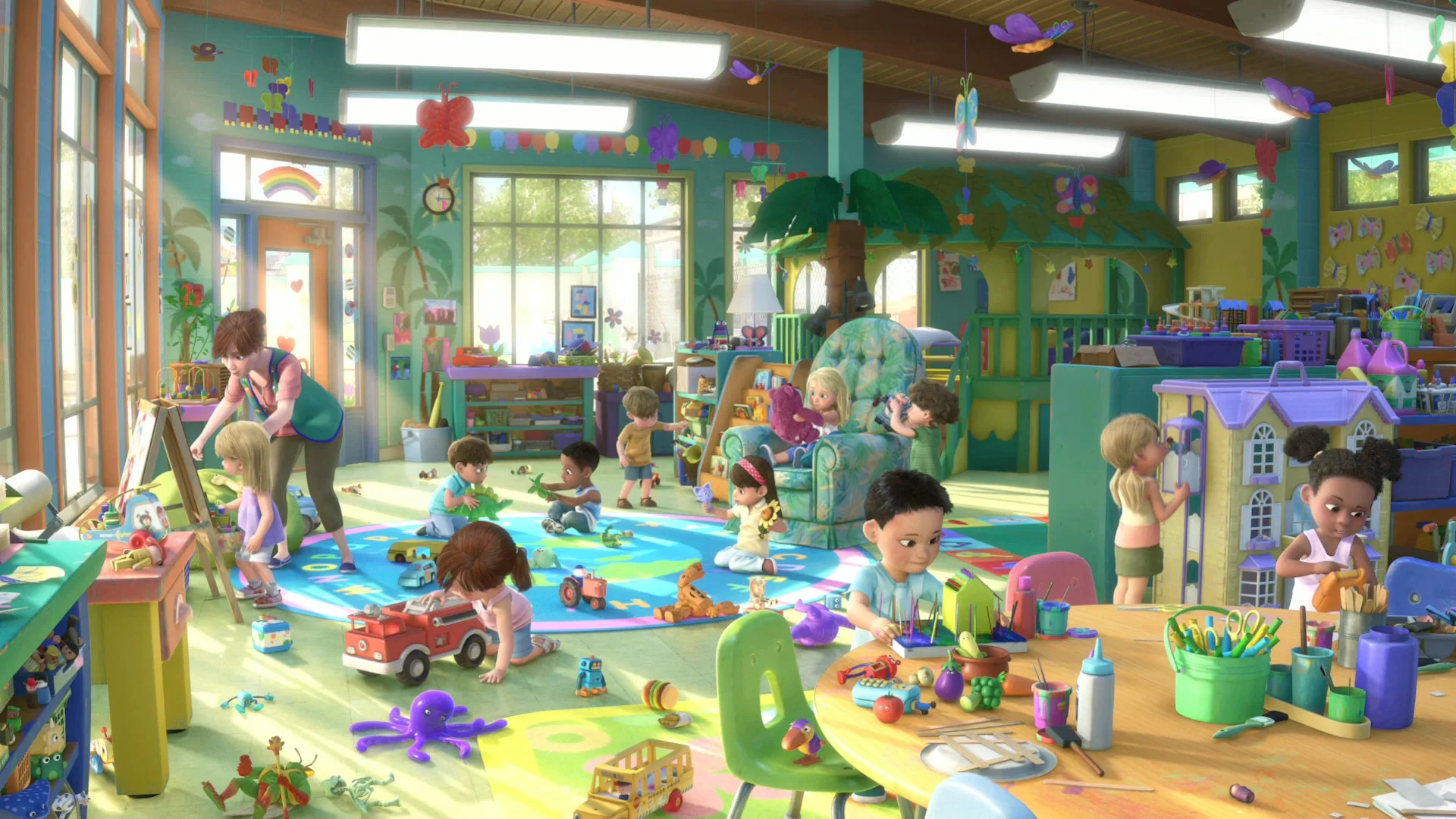
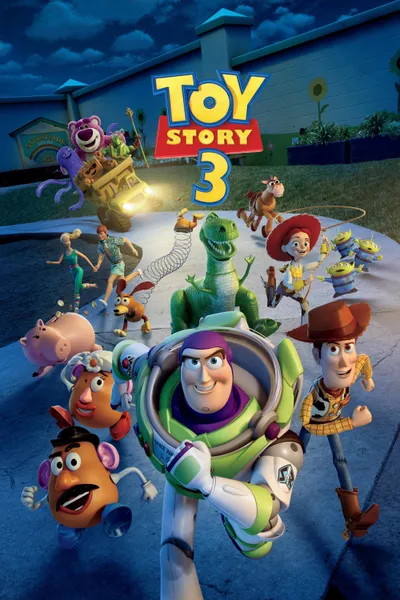
The creators of the beloved Toy Story films reopen the toy box and bring audiences back into the delightful world of our favorite toy characters in Toy Story 3. As Andy prepares to leave for college, Buzz, Woody, and all his loyal toys worry about their uncertain future. Toy Story 3 is a comedic adventure that takes the toys into a room full of unruly children, eager to get their sticky hands on these “new” toys. Chaos ensues as the toys try to stick together, making sure that “no toy gets left behind.”
The New 3D Cloth System uses a cloth simulation engine that dynamically calculates how clothing reacts to body movements, gravity, and collisions with other objects or parts of the character’s body. Each garment is treated as a physical object with properties such as mass, friction, and flexibility, allowing for natural deformations and realistic folds. The system is integrated to enable animators and designers to quickly create and test multiple clothing variations.
For this film, Pixar needed to animate a large number of characters with realistic clothing. To achieve this, the New 3D Cloth System was developed—a system that allowed garments to be designed and simulated quickly and efficiently. The goal was to enable all designers to create detailed outfits without being digital tailoring experts, making it possible to dress dozens of characters in coherent and believable costumes. The system was crucial for managing the complexity of crowd scenes and reducing production time.