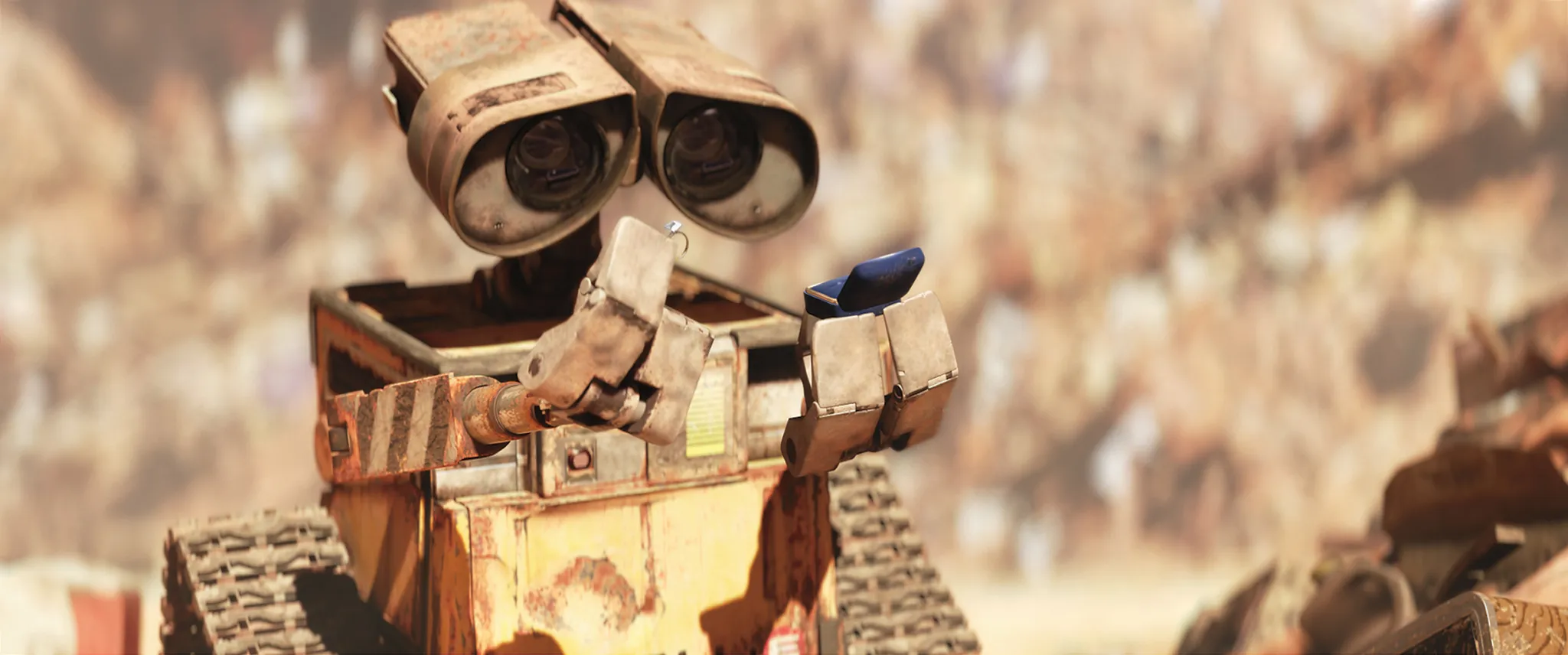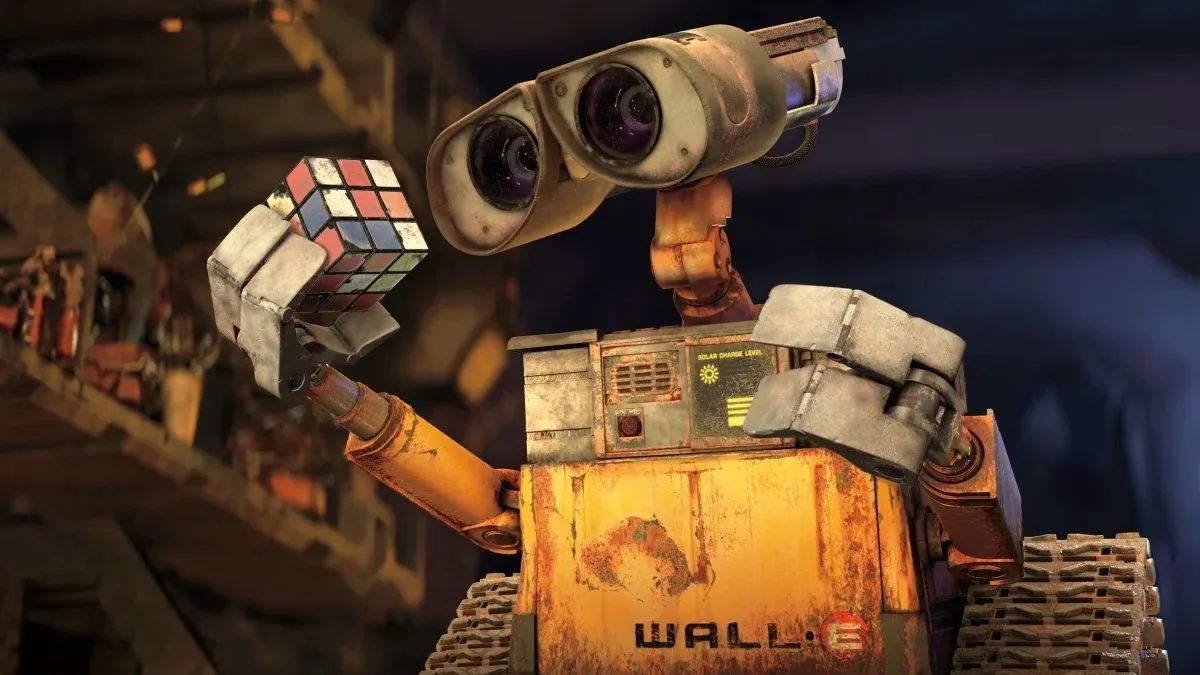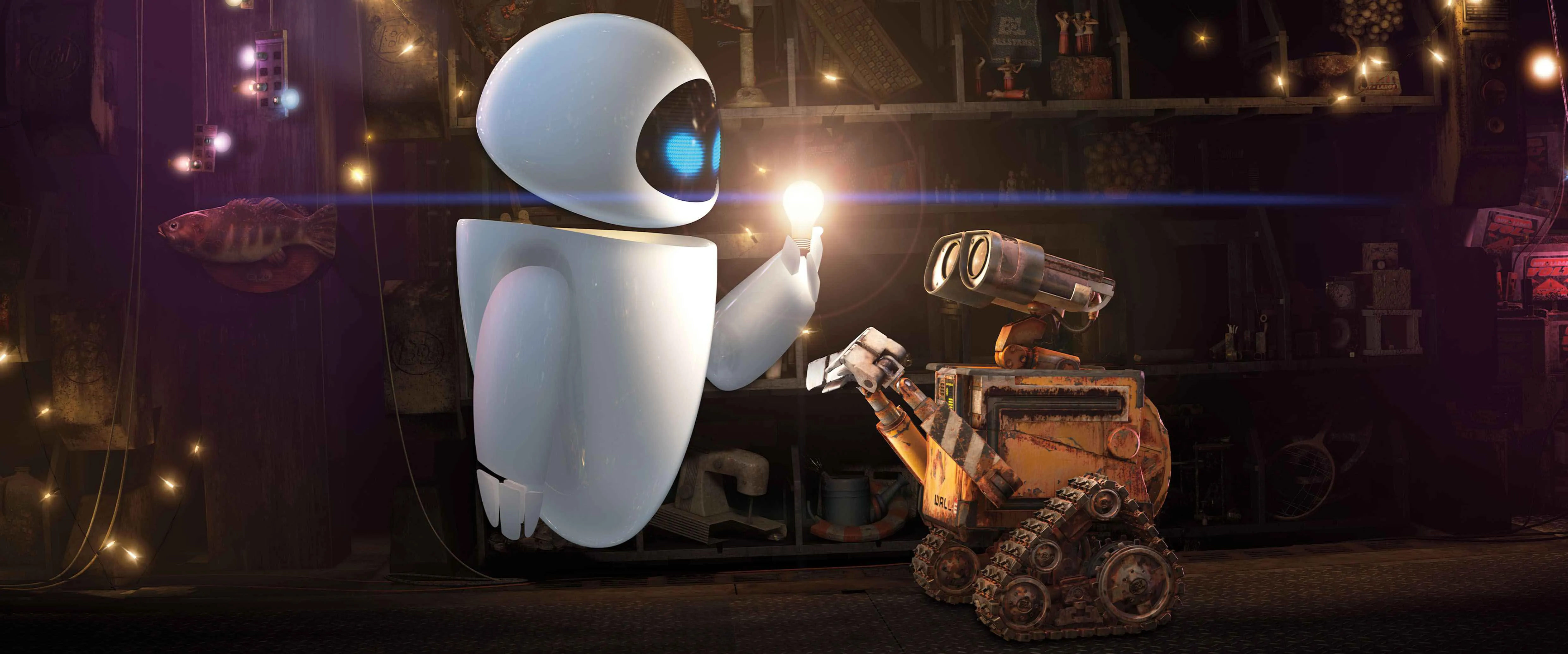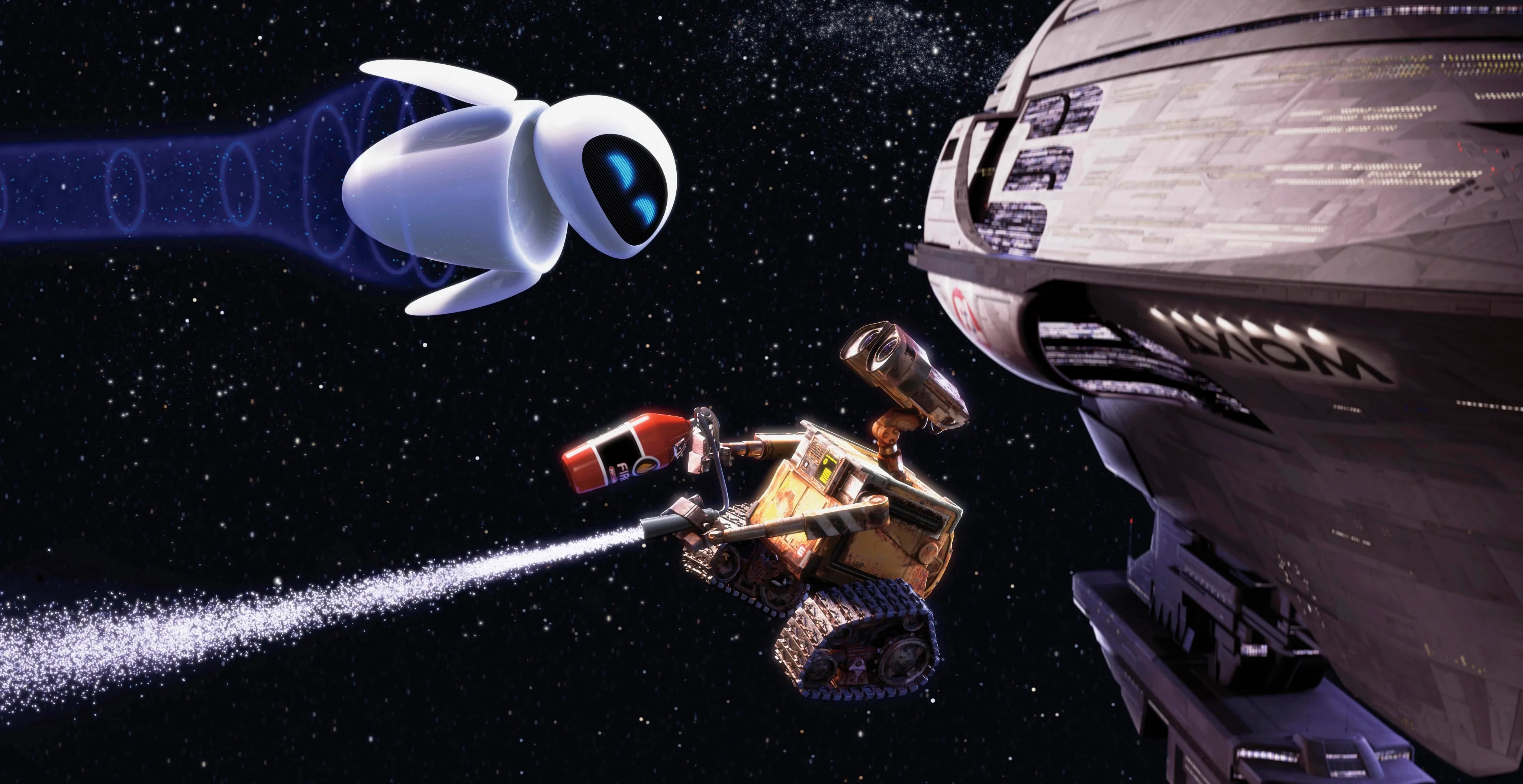
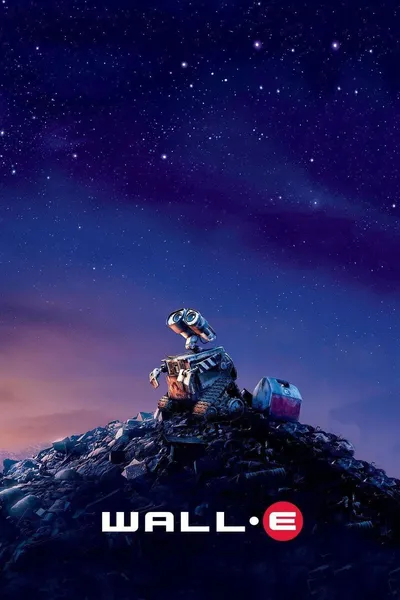
What if humanity was forced to leave Earth and someone forgot to turn off the last robot? After hundreds of years performing the task it was built for, WALL·E discovers a new purpose in life when he meets a sleek exploration robot named EVE. EVE realizes that WALL·E has inadvertently gotten hold of the key to the planet’s future and rushes into space to report back to the humans. Meanwhile, WALL·E chases EVE across the galaxy, launching one of the most inventive adventures ever brought to the big screen.
This technique was used to achieve a more natural and engaging cinematic language, capable of recreating the shots and movements typical of a real camera. The aim was to make the three-dimensional space feel more realistic and give a sense of “presence” to the movements of the characters and the environment, especially in scenes where WALL·E and EVE interact with detailed objects and settings. The system mimicked the effect of an imperfect Steadicam, introducing slight imperfections and delays in focus changes, as if the real operator were observing the action and reacting late to events on set.
The New Camera System is a virtual camera control engine that simulates the behaviour of a real camera in three-dimensional space. The camera does not rigidly follow characters or points of interest, but introduces lag in movements and focus changes, replicating the natural delayed response of a human operator. This is achieved by combining interpolation algorithms for camera position and orientation with dynamic focus calculations based on the distance from key objects in the scene. The result is a more organic cinematic effect: movements appear natural and slightly imperfect, increasing viewer immersion and conveying the feeling of observing the world through a real camera.