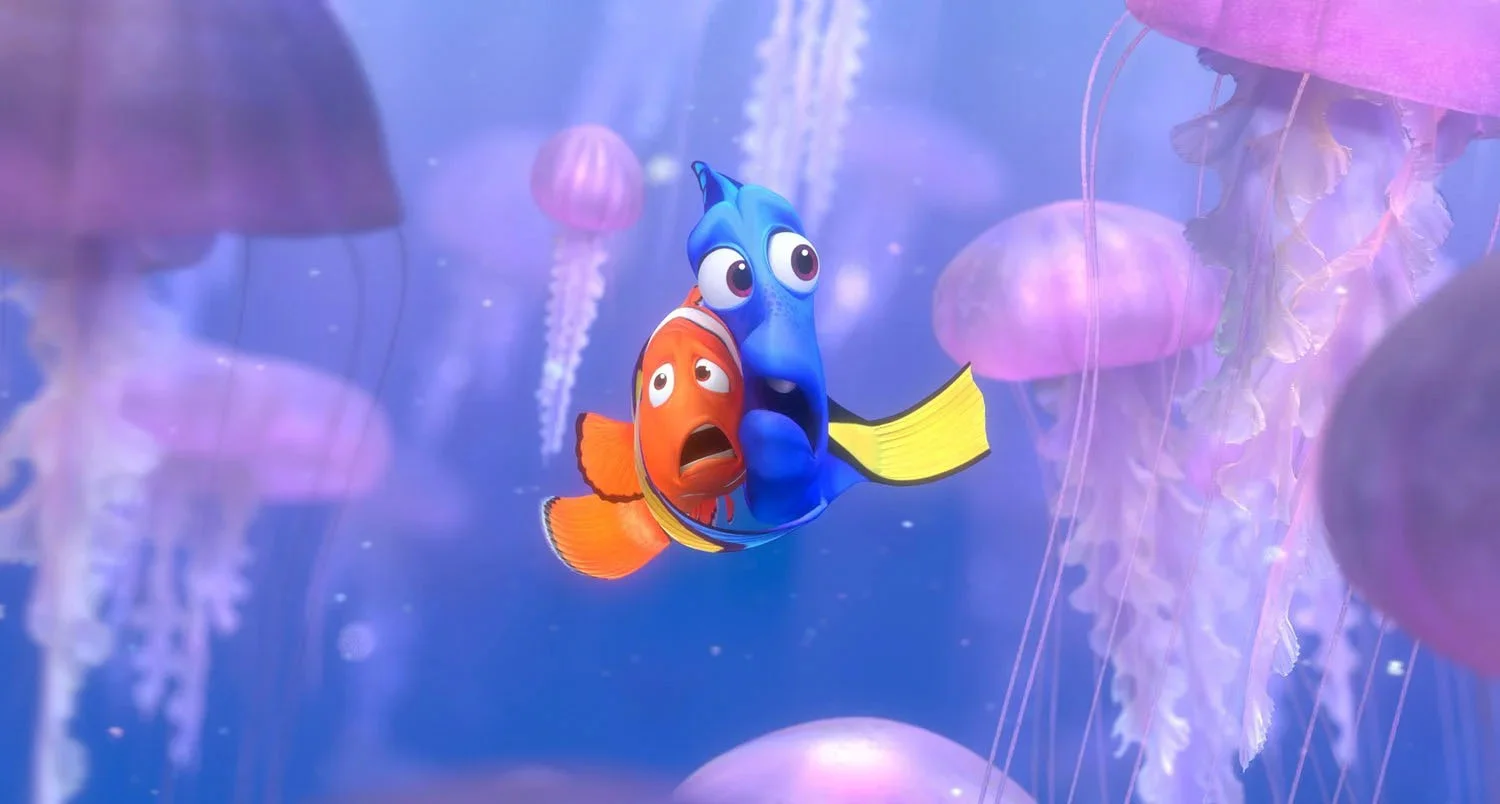
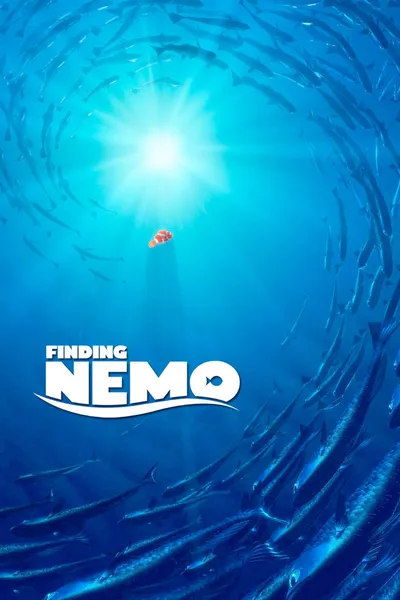
In the colorful, warm tropical waters of the Great Barrier Reef, a clownfish named Marlin lives safely and secluded in his anemone with his only son, Nemo. Fearful of the ocean and its unpredictable dangers, Marlin struggles to protect his child. Nemo, like all young fish, is eager to explore the mysterious reef. When Nemo is suddenly taken far from home and placed in a kitschy aquarium in a dentist’s office, Marlin unwillingly becomes the hero of an epic adventure to rescue his son.
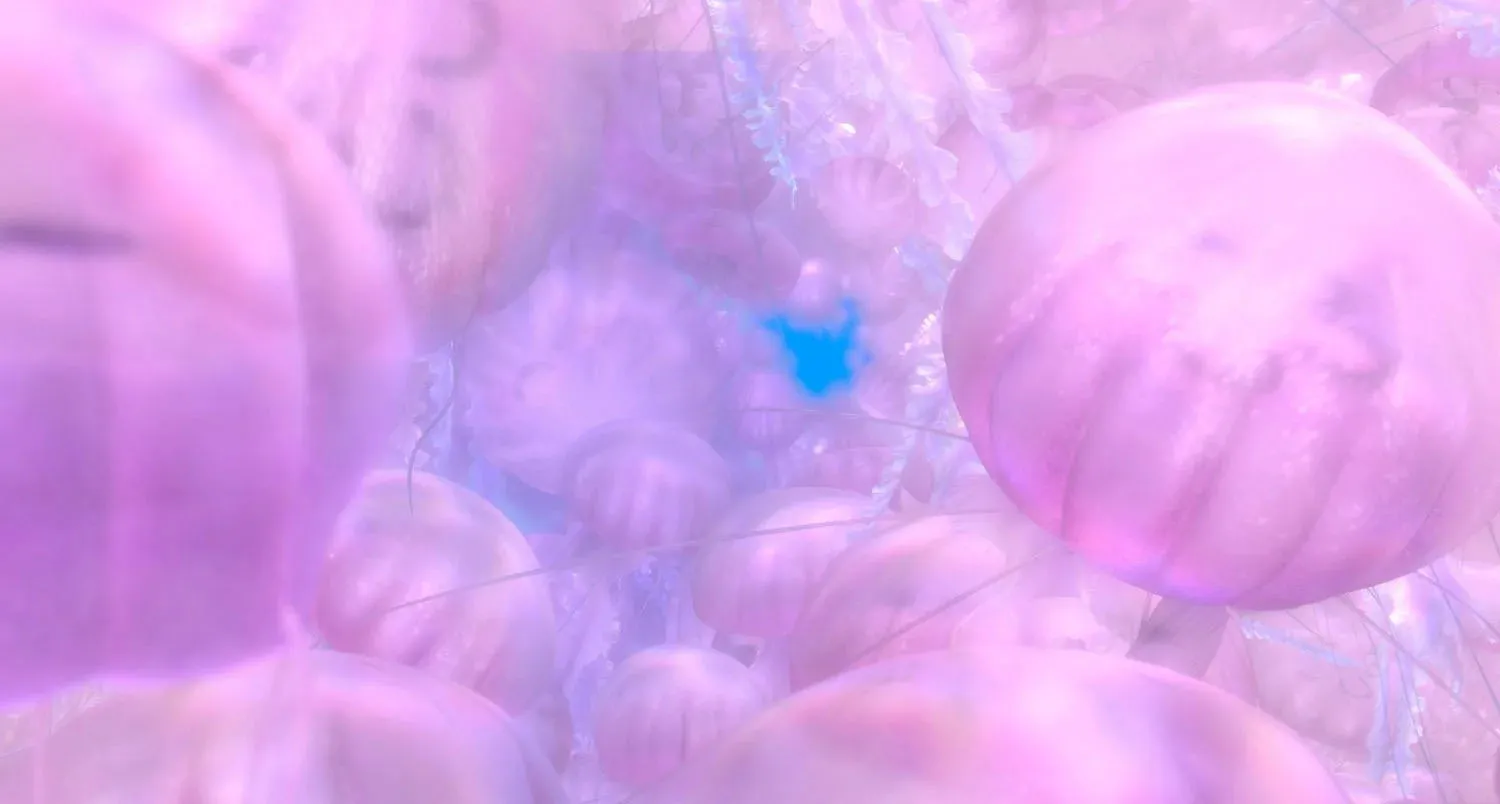
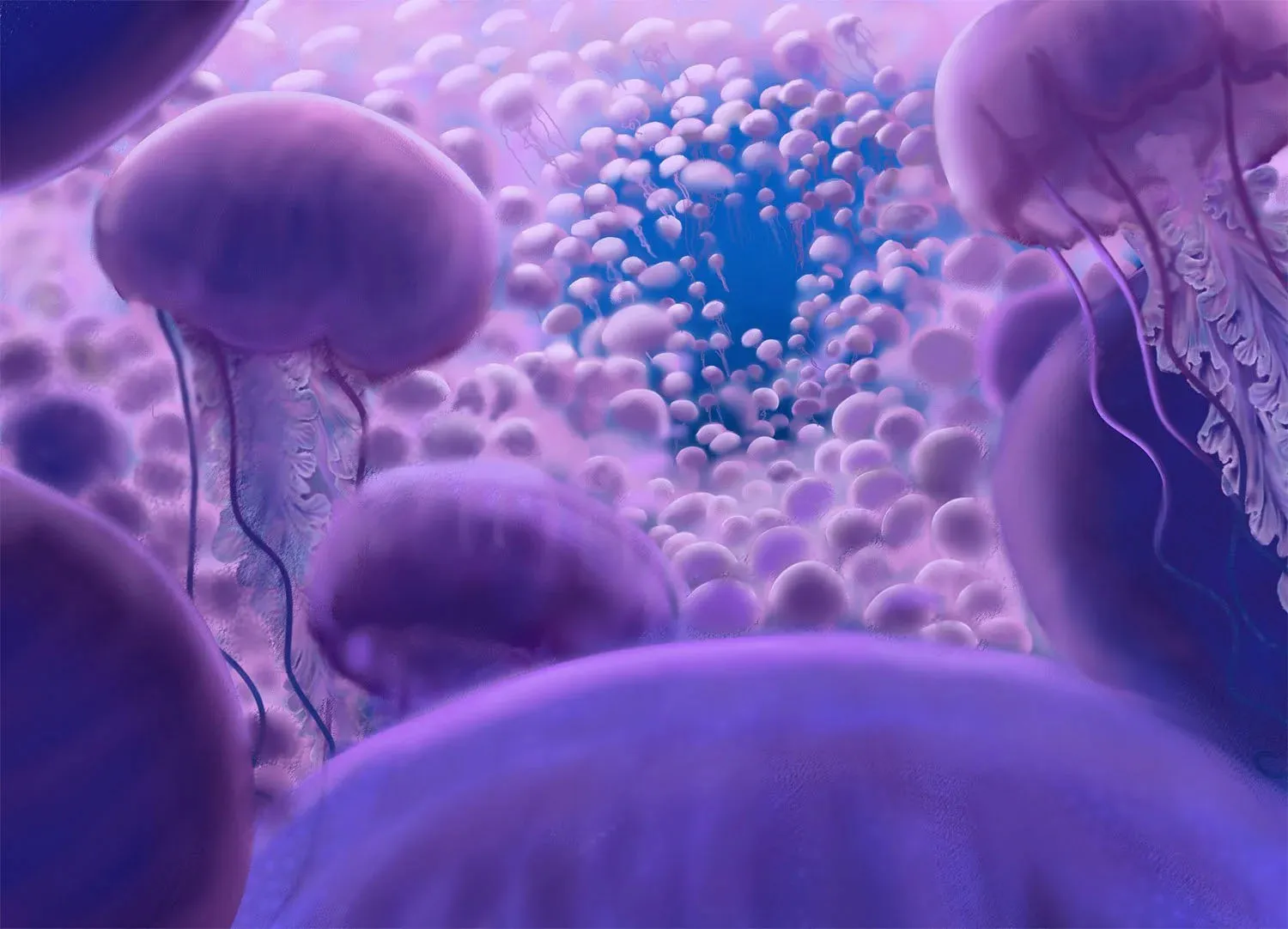
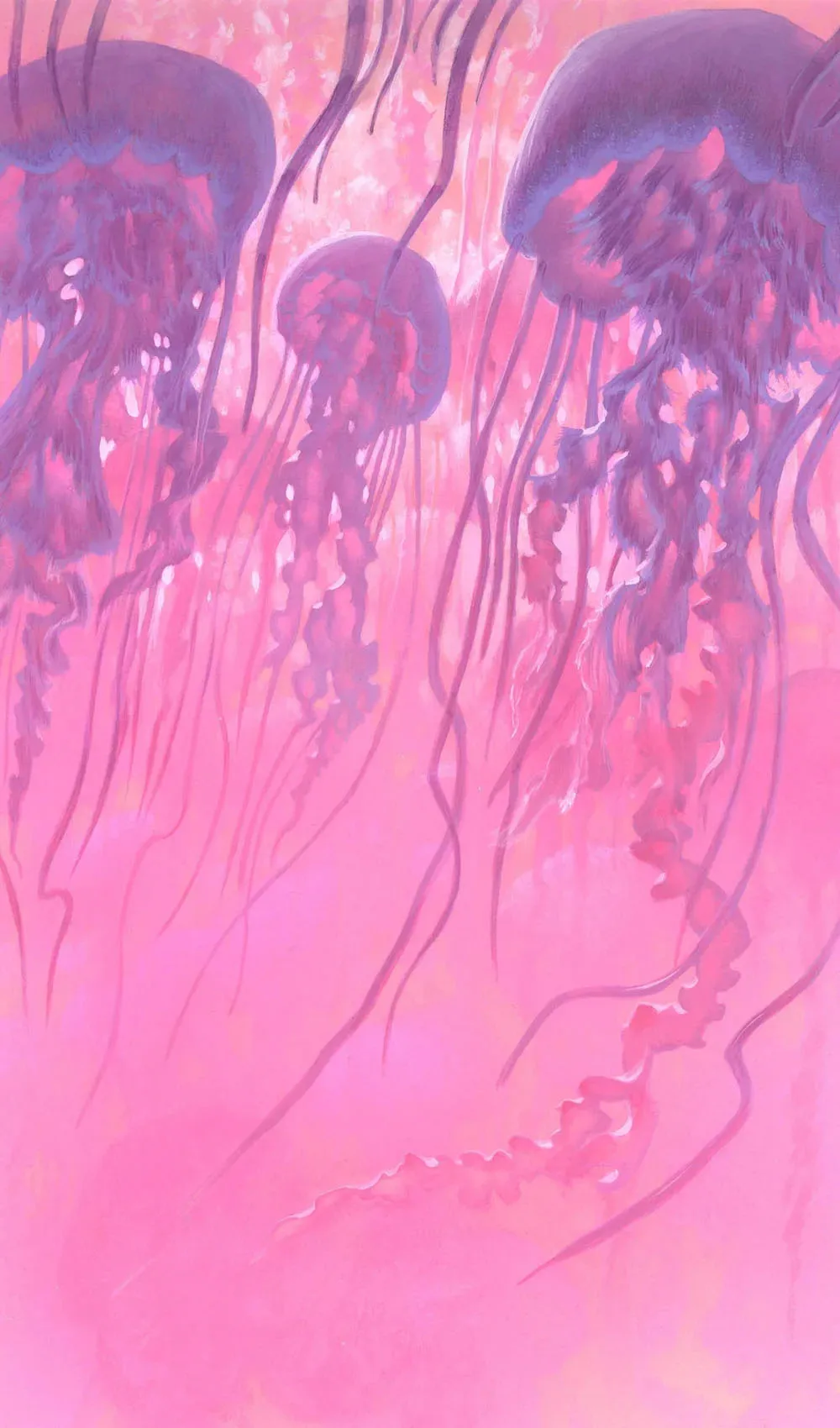
This innovation was useful to achieve a realistic appearance for underwater environments and characters. Transblurrency was used to simulate light filtering through water and semi-transparent objects such as jellyfish, making the lighting and color more realistic in relation to depth and camera distance.
Translucency calculates how light passes through semi-transparent objects, blending the background based on distance and depth and adjusting light intensity according to the rays’ path and the camera’s position.
It is able to simulate the behavior of light within organic materials: light penetrates, diffuses internally, and emerges at a different point, creating an effect of softness and translucency that makes the characters’ bodies appear more realistic. The integration of these techniques allowed Pixar to achieve environments and characters with an unprecedented level of visual realism, convincingly rendering the interaction of light with water and organic materials.