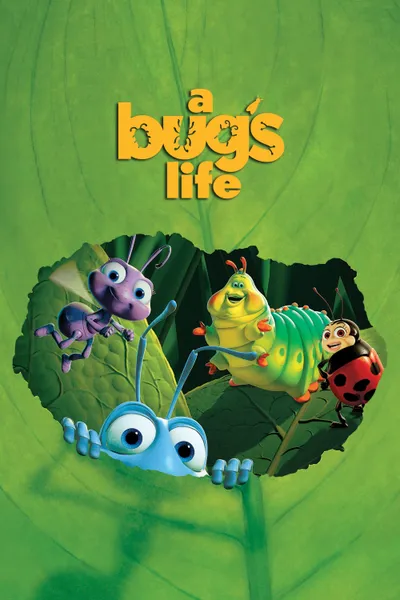
Flik is an independently minded ant—the only insect capable of throwing a wrench into the food chain. After one of his inventions goes terribly wrong, he sets out on a mission to save the colony from a band of lazy, menacing grasshoppers and win back the Queen’s favor. But when the group of “warrior bugs” Flik recruits turns out to be a clumsy circus troupe, he must believe in himself and his inventions to save Ant Island once and for all.
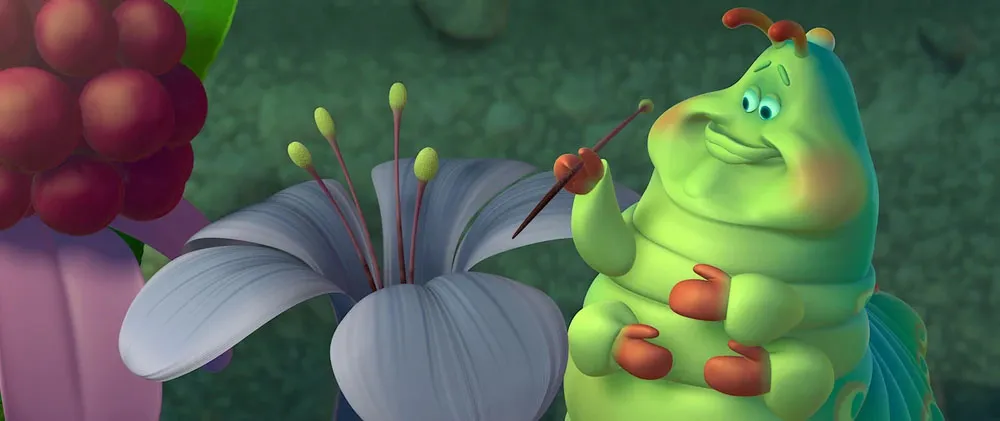
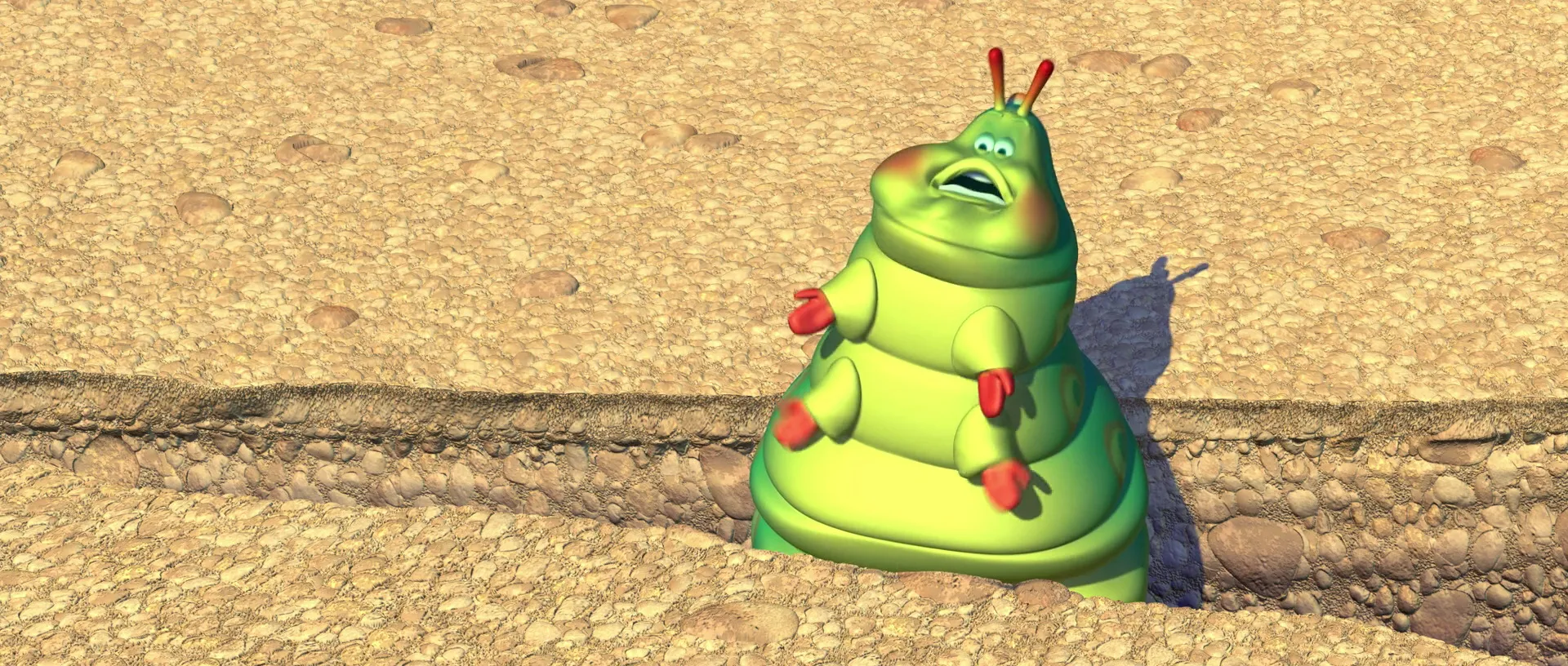
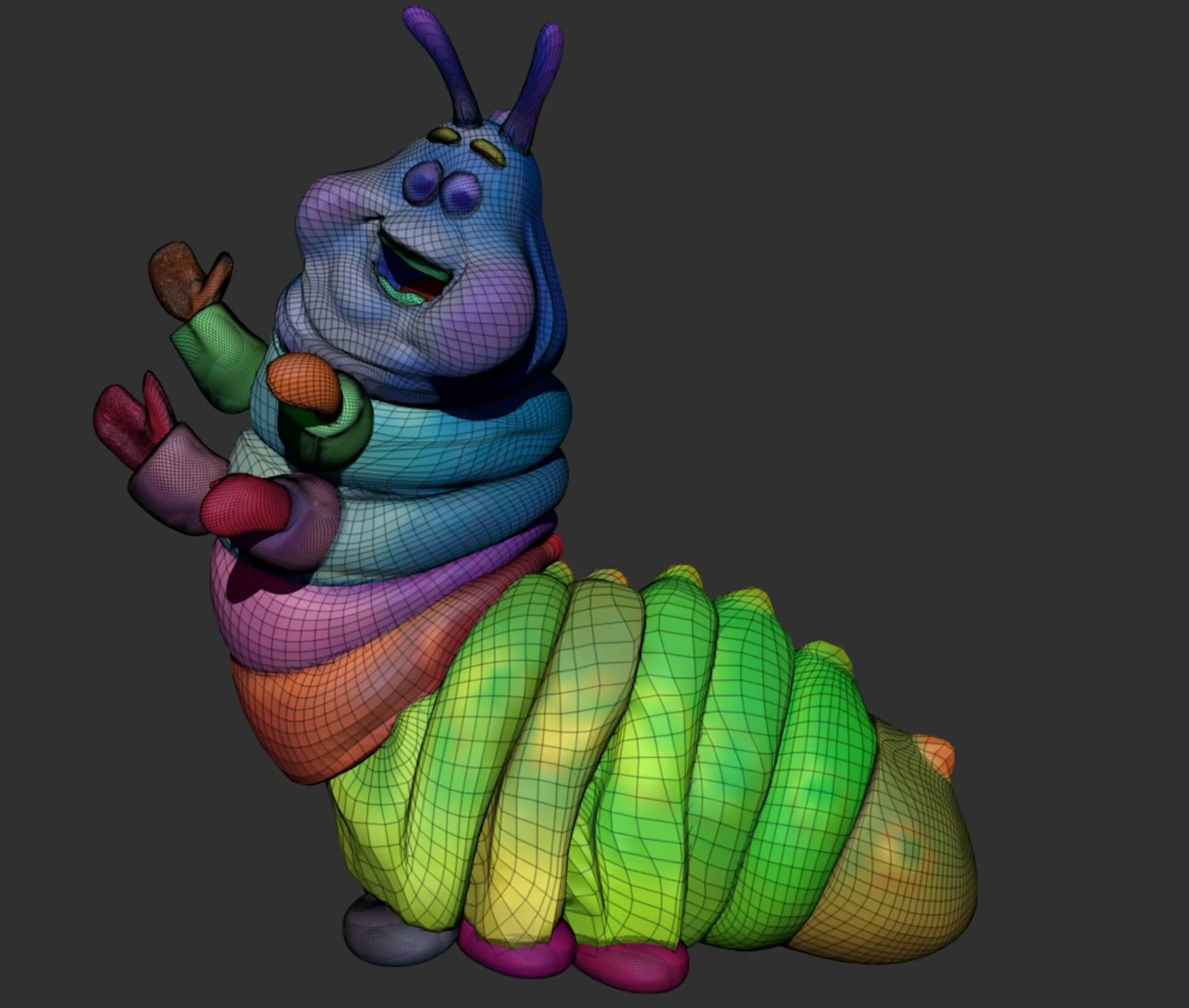
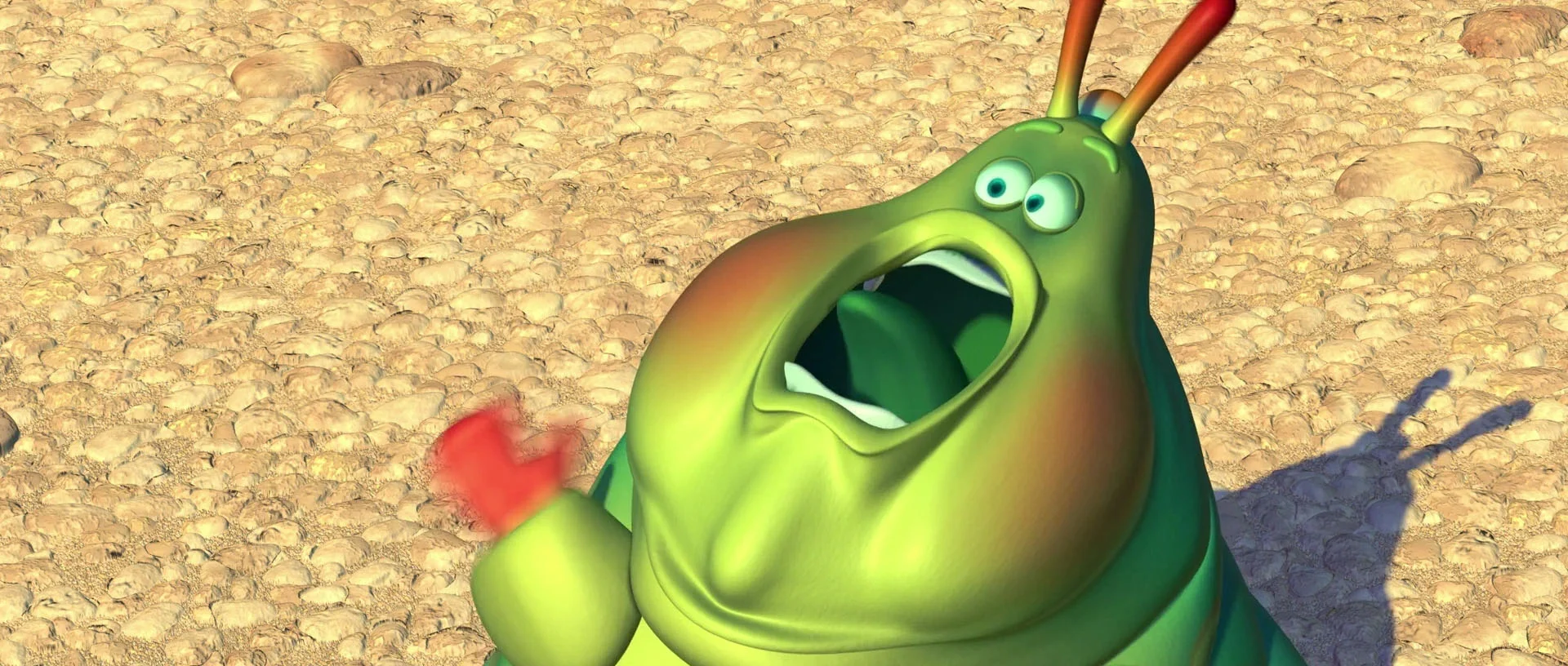
From Geri’s Game to A Bug’s Life subdivision surfaces became an essential component of Pixar’s production pipeline, allowing the insect characters to gain a soft, continuous visual quality that would have been impossible to achieve with the traditional polygonal models of the time. In A Bug’s Life, subdivision surfaces were used to create rounded bodies with no visible edges, capable of deforming smoothly during animation. A key example is Heimlich, the circus caterpillar: his segmented shape, smooth skin, and exaggerated expressions required a technique able to preserve the softness of his silhouette even during extreme bends and comedic caricatures—something made possible precisely thanks to this technology.
Subdivision surfaces reiterate algorithms to transform a low-resolution mesh into a smooth, continuous surface while retaining the simplicity of the control model for animators. This allowed artists to manipulate Heimlich using a relatively simple structure—a series of main volumes for the head, thorax, and body segments—while the system automatically generated the higher level of detail at render time. The technique therefore ensured not only a more organic aesthetic but also more stable deformations in critical areas, such as the folds between the caterpillar’s segments, his plump cheeks, or highly flexible mouth, resulting in richer and more believable animation without an unmanageable computational load.