Cultura dell'immagine digitale
A.A. 2025/2026 Web Design:
Federico Morsia
Renata Romagnuolo
Federico Schinoppi
Valentina Giupponi
Elisa Ruggieri
Alice Polerà
The Birth and History of Pixar
Films, Short Films, and Commercial Work
Key Directors and Creative Leaders at Pixar
Technical Innovation and Animation Techniques
Research Focus
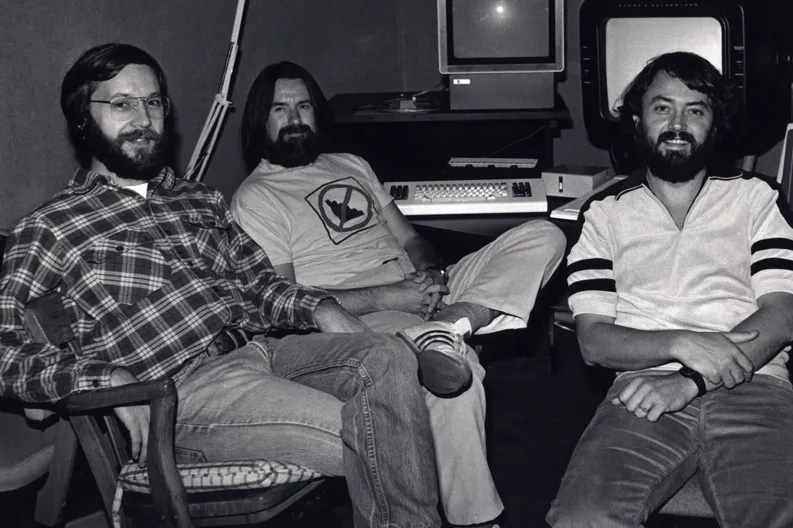
Pixar Animation Studios traces its origins back to the early 1980s, in a period of rapid technological change at the intersection of computer science and cinematic storytelling. What would become Pixar began as the Graphics Group within Lucasfilm’s Computer Division, an interdisciplinary research team led by computer graphics pioneer Ed Catmull and later joined by animator John Lasseter. In 1986, Apple co-founder Steve Jobs acquired the group from George Lucas, investing his own capital to establish Pixar as an independent company dedicated to exploring the potential of computer animation.
Rather than merely serving as a technology vendor, Pixar quickly embraced a dual mission: to develop cutting-edge tools for digital imagery and to apply them in the service of heartfelt storytelling, a philosophy that has guided the studio’s creative and technological journey ever since.
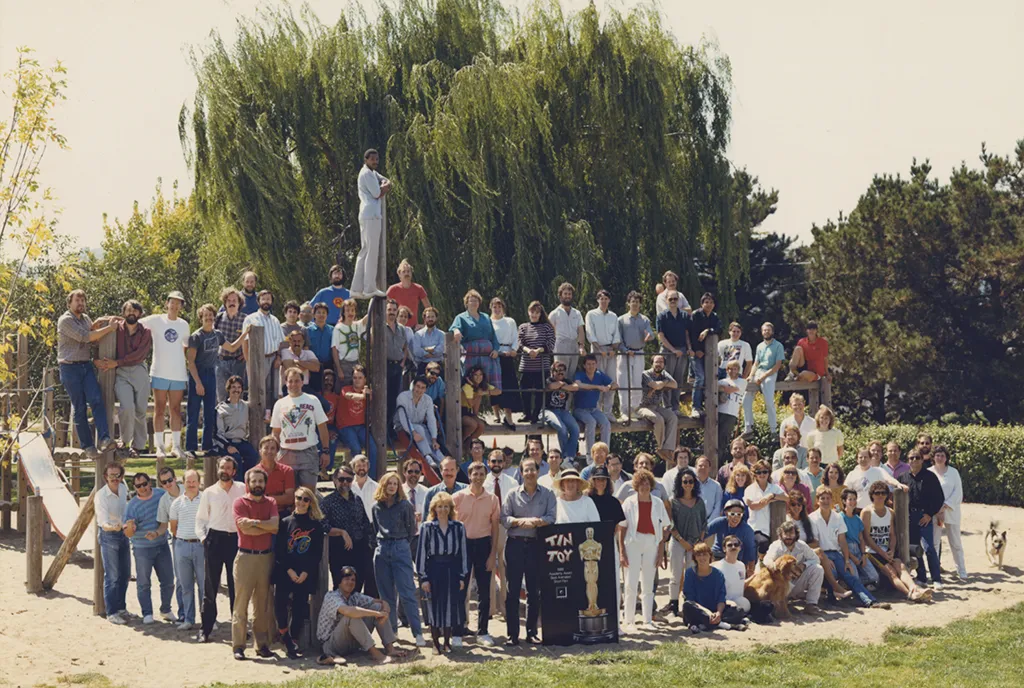

During its early years, Pixar produced a number of short films that served both as technological showcases and narrative experiments. Works such as The Adventures of André and Wally B. (1984) introduced pioneering techniques including particle systems and motion blur, while Luxo Jr. (1986) - directed by Lasseter - became one of the first CGI animated shorts to capture widespread attention. Tin Toy (1988) marked a significant milestone by becoming the first computer-animated short to win an Academy Award, helping establish Pixar’s reputation for marrying technical innovation with emotional resonance.
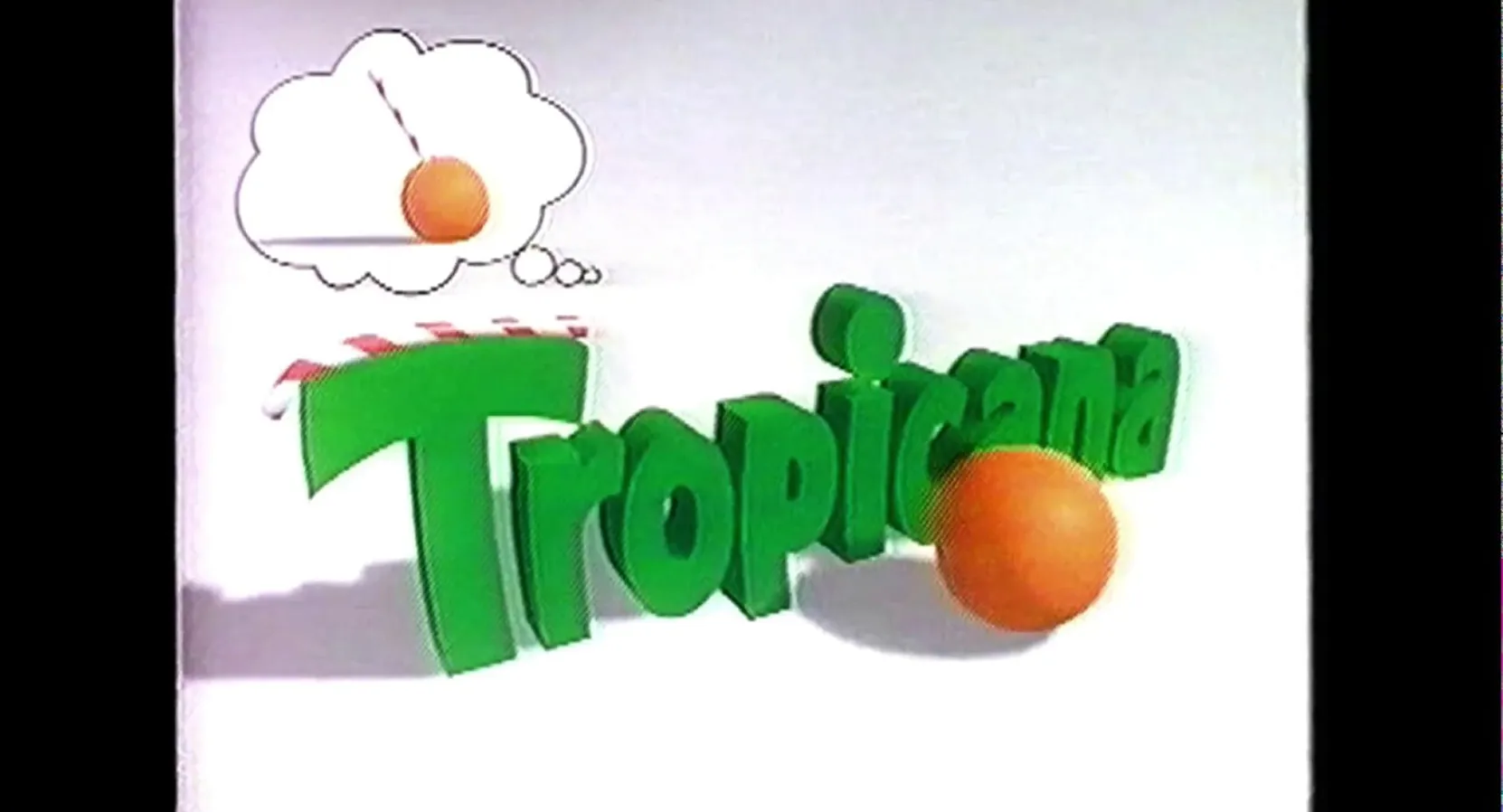
Alongside these shorts, Pixar created animated commercials for major brands such as Tropicana and Listerine, which provided crucial experience in storytelling and production workflow while studio leadership prepared for its transition into feature filmmaking.
In 1995, Toy Story premiered as the first feature-length film entirely animated using computer graphics, revolutionizing the animation industry and redefining what audiences could expect from animated storytelling. This success was followed by a string of influential films - A Bug’s Life, Monsters, Inc., Finding Nemo, The Incredibles, Up, Inside Out, Coco, and more - each expanding Pixar’s narrative and technical horizons while resonating with global audiences.
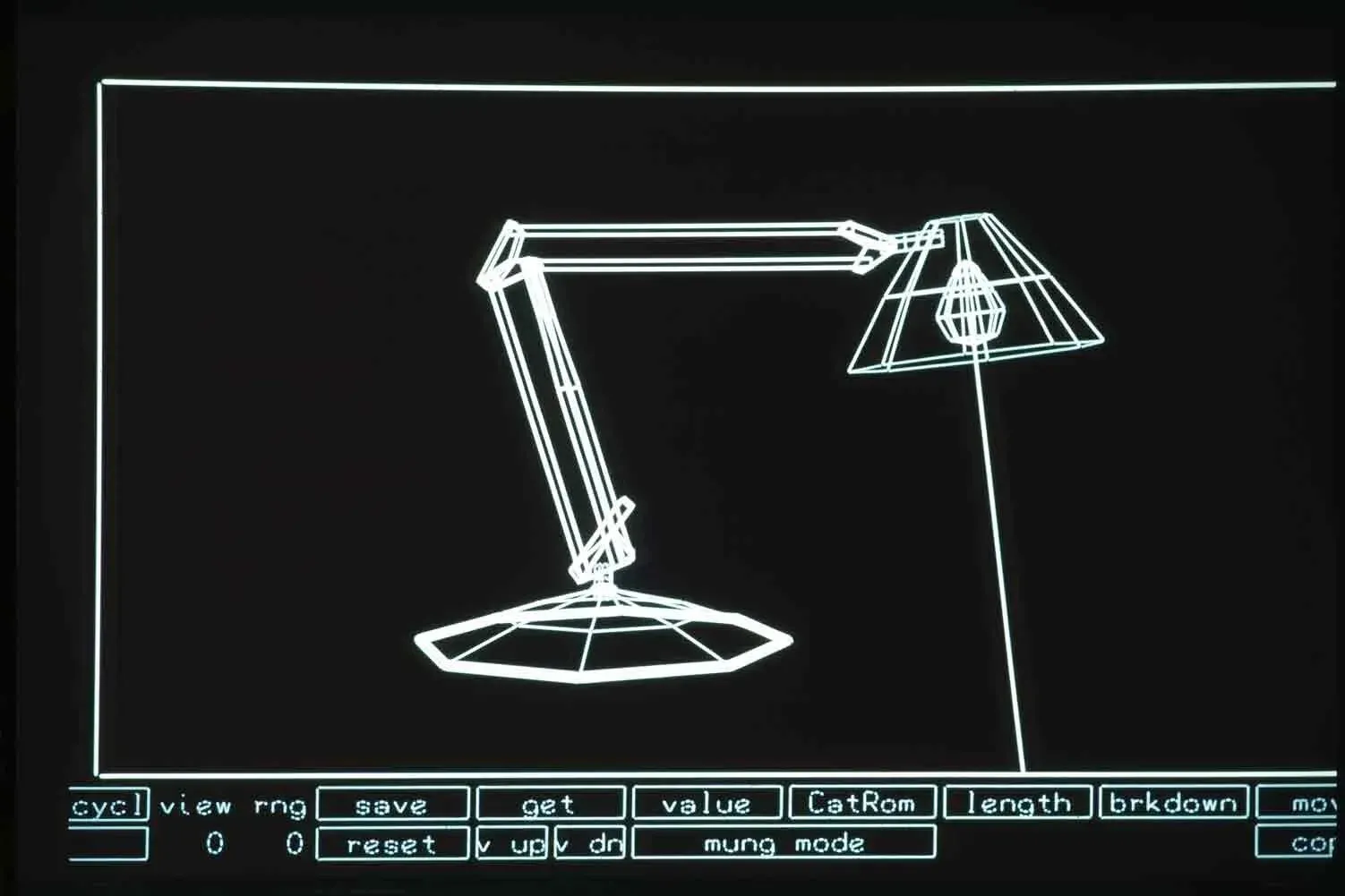
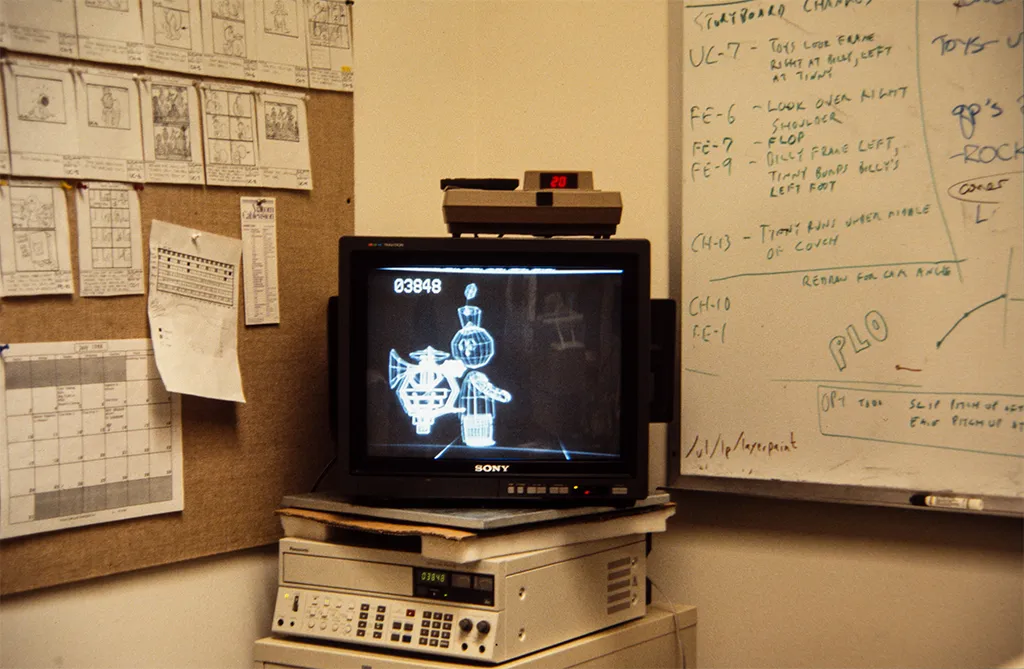
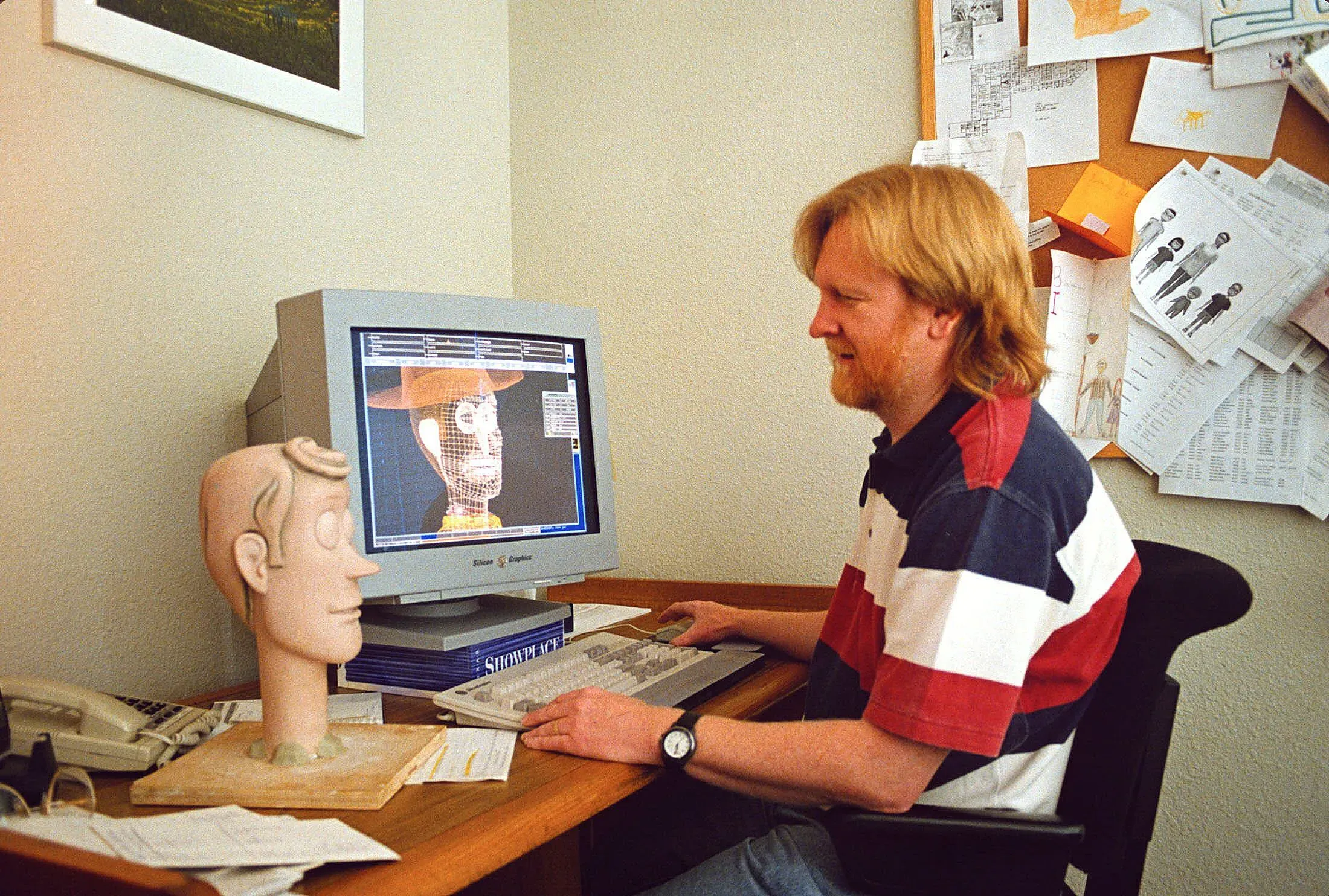
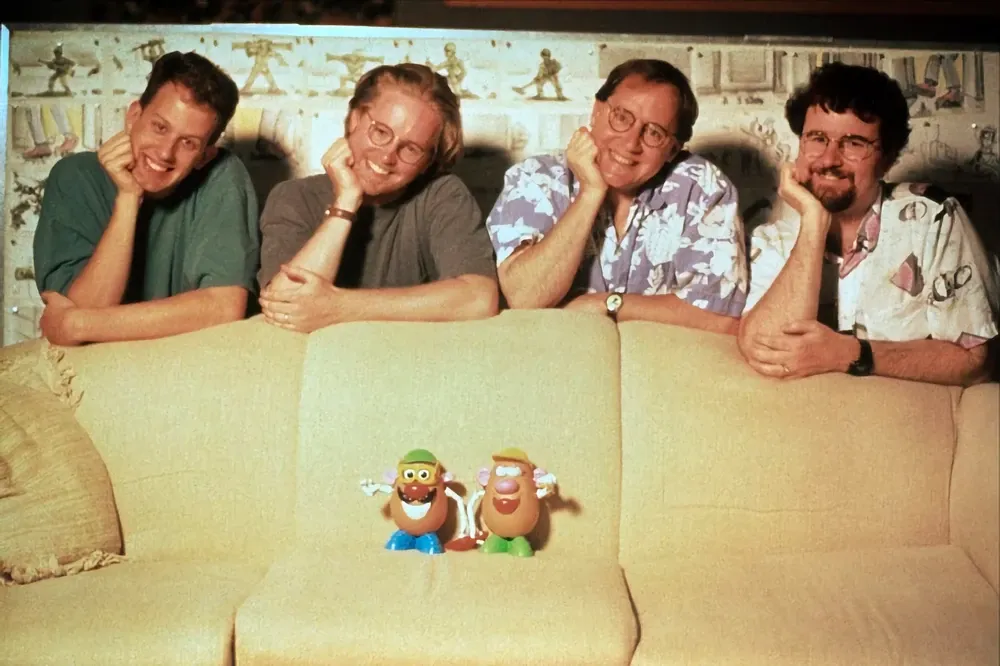
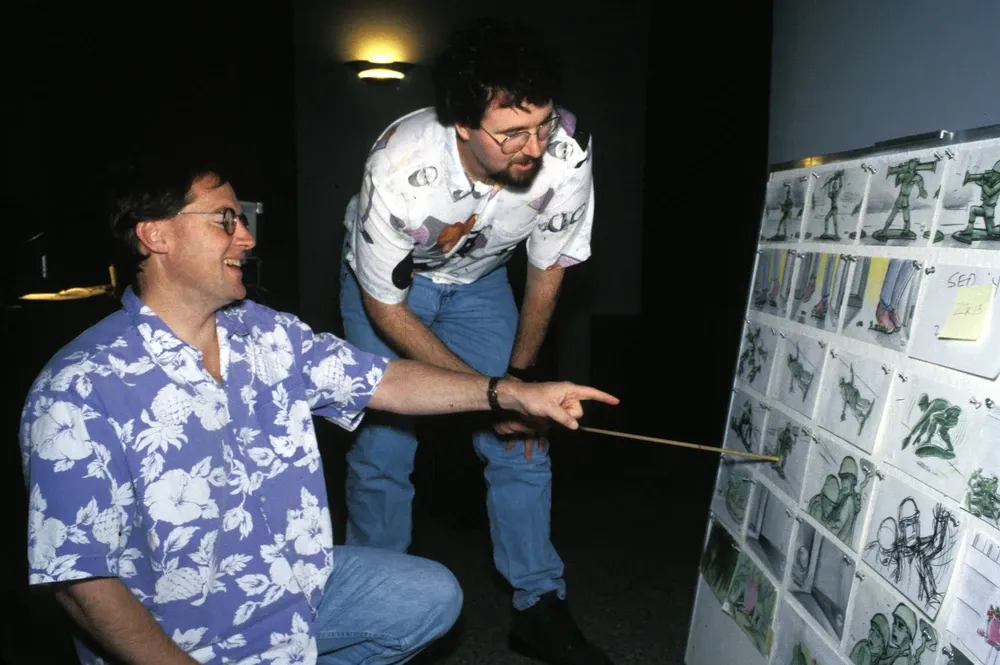
Pixar's creative and technological vision has been shaped by a group of visionary directors and leaders whose work has defined the studio’s distinctive style. John Lasseter played a pivotal role in both the artistic and technical development of the studio. Beginning his career at Disney and later at Lucasfilm’s Computer Graphics Division, Lasseter directed seminal shorts such as The Adventures of André and Wally B., Luxo Jr., and Tin Toy, establishing the principles of character-driven storytelling in CGI. He went on to direct Toy Story (1995) and A Bug’s Life (1998), combining technical innovation with emotional depth and helping position Pixar as a global leader in feature animation.
Ed Catmull, co-founder of Pixar and a computer graphics pioneer, provided the technical foundation that made Pixar’s storytelling possible. As the head of Lucasfilm’s Computer Graphics Division before Pixar’s founding, Catmull oversaw the development of early CGI tools and software that enabled the studio’s breakthroughs, including RenderMan, the rendering software that remains central to high-quality CGI production. Catmull’s vision emphasized that technology and artistry must evolve together, ensuring that technical innovation serves the story rather than overshadowing it. Other directors have also profoundly influenced Pixar's evolution.
Pete Docter, known for Monsters, Inc., Up, and Inside Out, has explored complex emotional themes while advancing character animation and narrative design. Andrew Stanton, director of Finding Nemo and WALL-E, is recognized for his mastery of visual storytelling and innovative use of CGI to convey subtle emotion. Brad Bird, who directed The Incredibles and Ratatouille, brought cinematic sensibility and dynamic action to the studio, broadening the range of Pixar's storytelling styles.
Together, these directors and leaders exemplify Pixar's philosophy: technical innovation and artistry are inseparable, and storytelling must always remain at the heart of animation. Their combined vision has ensured that each film delivers both emotional resonance and technical brilliance, setting a global standard for animated cinema.

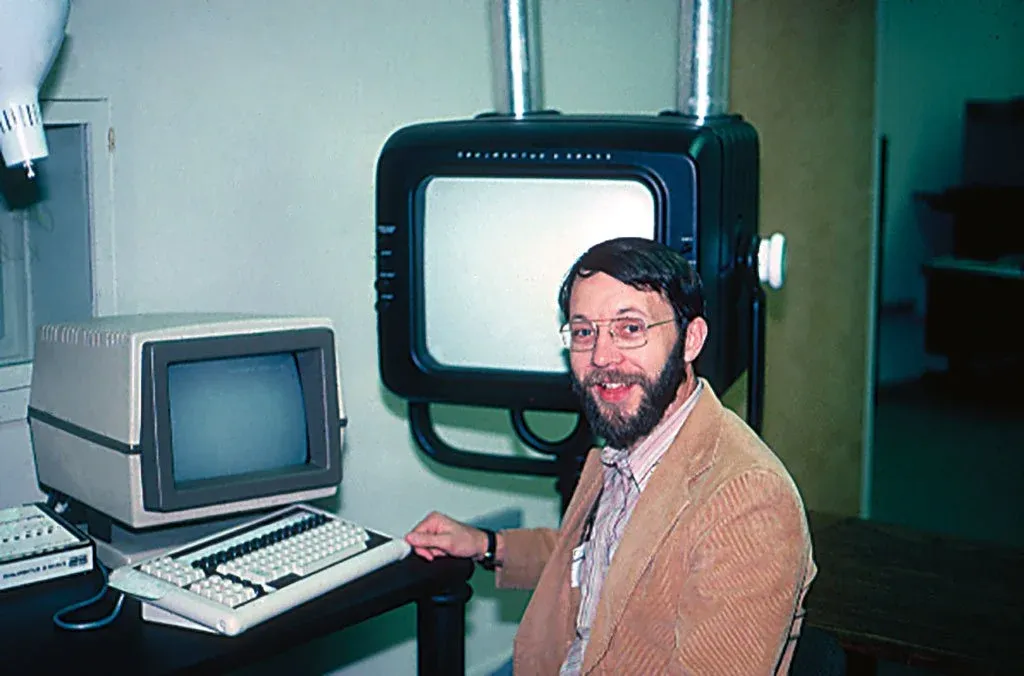

Pixar's reputation as a technological innovator is inseparable from its storytelling achievements. Beginning with early proprietary tools developed in-house, and later with its custom animation system Menv (Modeling Environment), Pixar laid the foundations for increasingly complex character animation and production pipelines. The introduction of RenderMan, Pixar’s rendering software, set a new industry standard for image quality, lighting simulation, and shading techniques, earning widespread adoption in both animated and live-action films.
Over time, Pixar has continually extended its technical toolkit with advancements in character rigging, procedural textures, global illumination, cloth and hair simulation, and physically based rendering. These innovations have enabled increasingly nuanced control over surface detail, light interaction, and dynamic motion, all while preserving the expressive, stylized aesthetic that defines Pixar's visual identity.
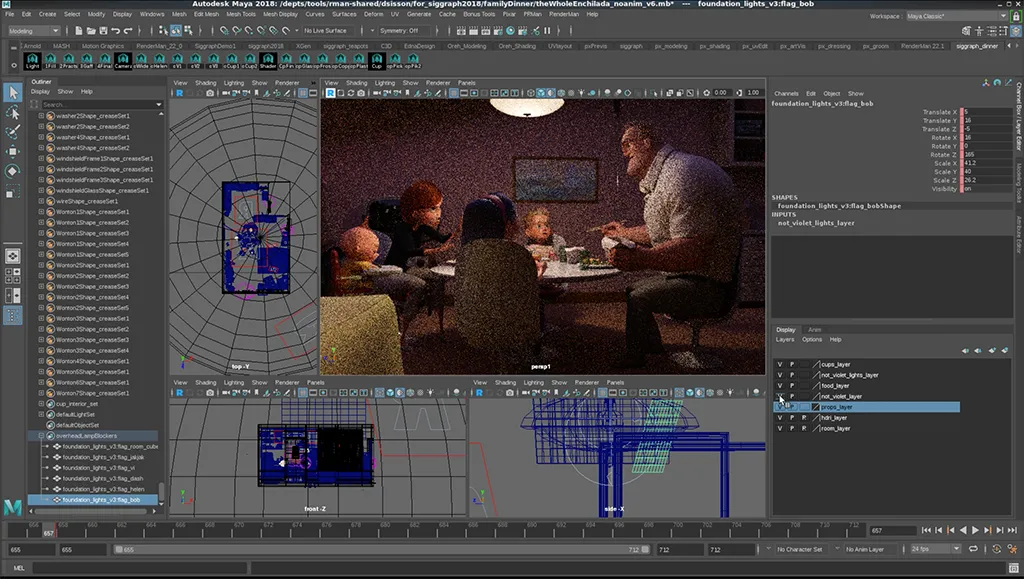
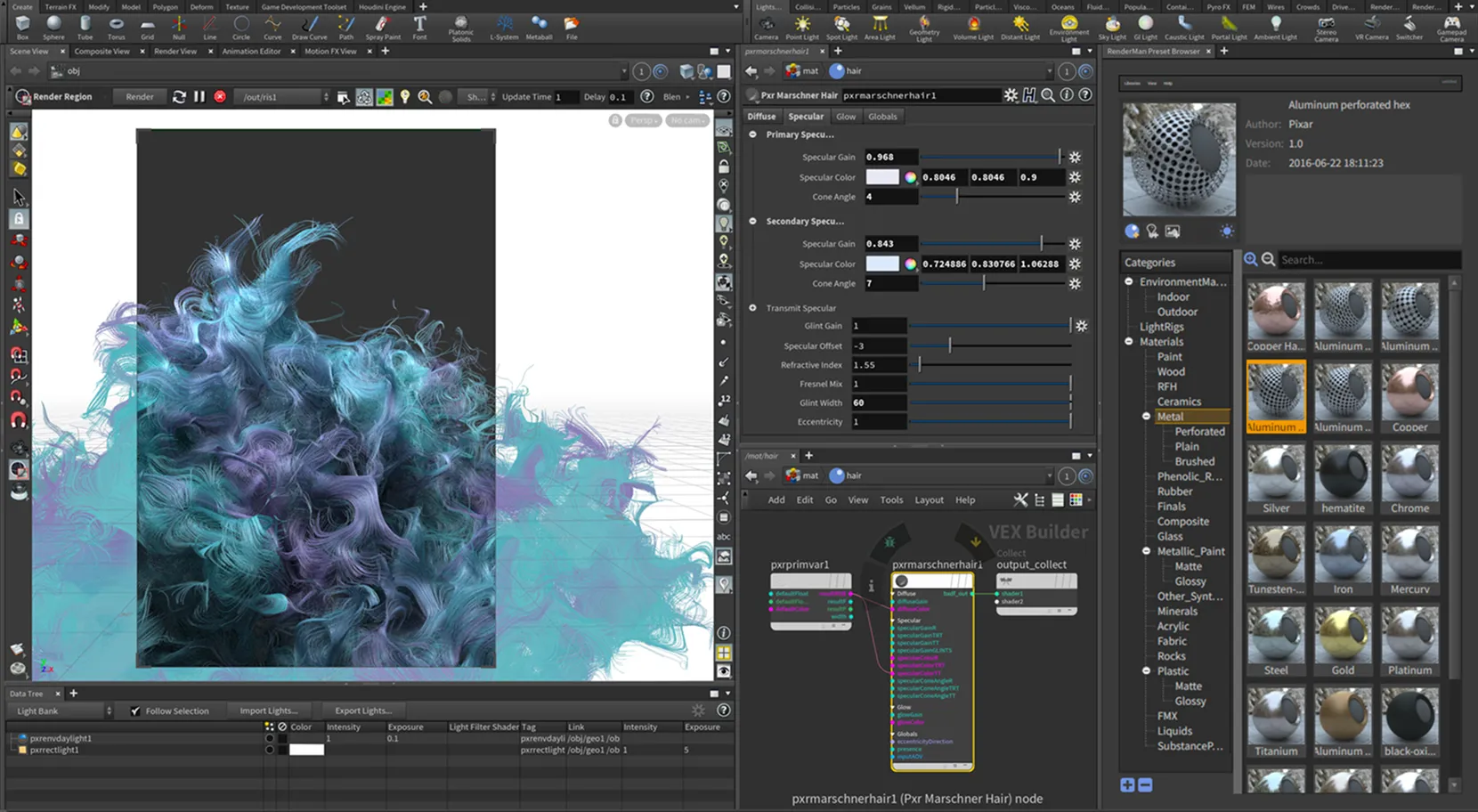
This website was created by a group of students from Digital Image Culture at Politecnico di Milano to examine how Pixar’s evolving techniques have shaped the broader field of digital visual representation. Pixar’s work demonstrates that animation is not simply a product of code or software, but of an iterative collaboration between artistic intention and technological advancement. To illustrate this, we have developed a digital archive structured as an interactive timeline using Three.js, where each Pixar production is positioned as a milestone in the studio’s ongoing creative evolution.
Users can explore this archive chronologically or comparatively, applying filters that group innovations by category - such as motion, texture, materials, and lighting - and discover how each technique was used to strengthen narrative impact. By selecting an individual title, visitors gain insight into both the narrative context and the motivations behind technical choices, revealing how Pixar’s creative process continues to push the boundaries of what animation can express. In doing so, the project reflects Pixar’s core belief that technology and artistry are most powerful when they inspire and challenge each other.